




App Development Cost in Saudi Arabia: A Clear 2026 Guide
What does an app really cost in Saudi Arabia? The factors that set the price, indicative SAR ranges by tier, hidden costs, and how to cut budget without cutting quality.

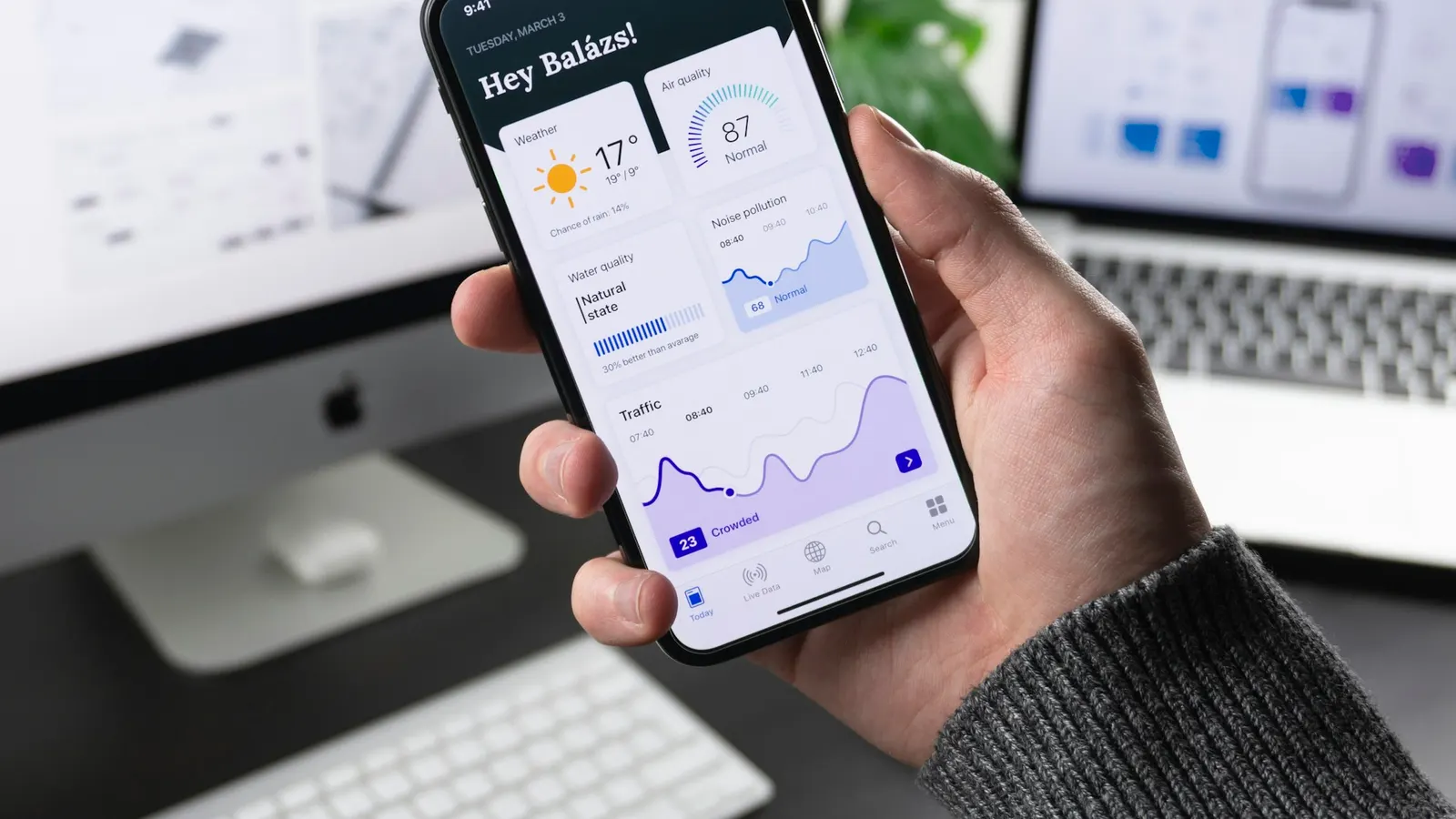
خلاصة المقال
- 01Scope sets the price first: user roles, integrations and the admin dashboard move the budget more than the number of screens.
- 02As indicative ranges, a focused MVP runs about SAR 40,000–100,000, while a multi-app platform such as delivery can exceed SAR 300,000.
- 03Budget roughly 15–25% of the build cost every year for maintenance, hosting and third-party services, because launch is where spending starts.
- 04Before signing, ask any vendor who owns the source code, whether the backend and admin panel are included, and how change requests are priced.
How much does it cost to develop an app in Saudi Arabia?
Indicatively, app development cost in Saudi Arabia usually runs SAR 40,000–100,000 for a focused MVP, SAR 100,000–300,000 for a mid-sized app with payments and an admin dashboard, and from SAR 300,000 to well over 800,000 for a multi-app platform such as delivery or a marketplace. Scope, platforms, integrations, design depth and post-launch ownership set the final figure.
These numbers are not a price list; they are a map for reading the quotes you receive. Two proposals for “the same app” can differ several-fold, and the reason is rarely that one vendor is greedy. Usually they are pricing two different things. This guide breaks the cost into its parts so you can compare offers on the same basis and make a decision you understand.
What actually drives app development cost?
1. Scope and user roles
The most important question is not “how many screens?” but “how many kinds of user?”. A booking app for one customer type is a different project from a platform with customers, service providers and supervisors, because every role adds a full journey, permissions, business rules and edge cases. Features such as live chat, real-time map tracking or recurring subscriptions also carry far more engineering weight than their size in a mock-up suggests.
2. Platforms: native or cross-platform?
Native development (Swift for iOS, Kotlin for Android) usually means two codebases and often two teams. It suits apps that lean heavily on device capabilities or demand peak performance. Cross-platform frameworks such as Flutter and React Native deliver both platforms from one codebase, which is an excellent fit for most business, commerce and service apps, and it lowers cost and time noticeably. The working rule: go cross-platform unless you have a specific technical reason not to.
3. Backend and admin dashboard
What you see on the phone is only the front end. Behind it sit a server, a database, APIs and the admin dashboard your team uses to manage orders, users, content and reports. Many low quotes price the app and leave the dashboard “basic” or out of scope, and the cost reappears later. In the projects we deliver, the backend and dashboard are a large share of the effort, and in operational platforms they often match or exceed the app itself.
4. Integrations
Every external integration has a build cost and sometimes an ongoing usage fee: payment gateways (mada, Apple Pay, STC Pay, and BNPL through Tabby or Tamara), maps and location, SMS and one-time passwords, push notifications, and connections to ERP or accounting systems. Choosing a payment gateway alone affects both cost and checkout experience; we cover it in our guide to payment gateways in Saudi Arabia.
5. Design depth
An app assembled from standard components is not the same as one with a distinctive visual identity, careful motion and a full design system. In the Saudi market there is one non-negotiable on top: an Arabic-first experience with correct right-to-left layout, not an English design translated at the end.
6. QA and launch
Testing across devices, screen sizes and OS versions, load testing for seasonal peaks, preparing store listings and getting through Apple and Google review. This is the first line cut from cheap quotes, and the first one the client pays for after launch.
Common mistake: comparing two proposals by their total alone. Ask each vendor for a breakdown by component: app, backend, admin dashboard, integrations, testing and post-launch support. More often than not, the cheaper offer is missing a line or two.
App development cost in Saudi Arabia by tier
The table below summarises common indicative ranges for an app on both iOS and Android, including its backend. Figures shift with detailed scope, team experience and location, and the level of quality required, so use them to size a budget, not as a quote.
| Tier | Examples | Typically includes | Indicative cost (SAR) | Indicative timeline |
|---|---|---|---|---|
| Focused MVP | Appointment booking, product catalogue, internal tool | One user role, core journeys, simple backend and admin panel | 40,000 – 100,000 | 2 – 3 months |
| Mid-sized app | E-commerce, loyalty programme, service booking with payments | Accounts, online payments, notifications, dashboard and reports, 2 – 4 integrations | 100,000 – 300,000 | 3 – 6 months |
| Advanced platform | Delivery, multi-vendor marketplace, mobility | Several apps (customer, courier, merchant), live tracking, dispatch, operations dashboard | 300,000 – 800,000+ | 6 – 12 months |
| Enterprise solution | Deep ERP integration, elevated security requirements | Scalable architecture, multiple integrations, governance and compliance | 800,000+ | 9 months or more, phased |
| Customised ready-made solution | Delivery, pharmacy, home services | Proven core, your branding, configuration and selected customisations | Usually below a custom build of the same tier | Weeks rather than months |
How long does it take to build an app?
Timeline tracks scope more than team size; doubling the developers does not halve the calendar. A typical mid-sized project runs like this:
- Discovery and analysis — 2 to 4 weeks to define journeys, roles, integrations and MVP priorities. This is the step that turns an idea into a scope that can be priced, and it is the heart of technical analysis.
- UX and UI design — 3 to 6 weeks for prototypes, then final screens in Arabic and English.
- Development — often 8 to 16 weeks, in short cycles with a testable build roughly every two weeks.
- Testing and launch — 2 to 4 weeks for full QA and store preparation, with a buffer for Apple and Google review and any changes they request.
Hidden and recurring costs most budgets miss
The build is only the visible part. Before you approve a budget, add these lines:
- Developer accounts: an annual Apple Developer Program membership and a one-time Google Play registration fee.
- Hosting and cloud infrastructure: it grows with users and data, and the choice between cloud and dedicated servers shapes long-term cost, as we explain in cloud hosting vs dedicated servers.
- Third-party usage fees: maps, SMS and OTPs, email, analytics, and the payment gateway’s fee on every transaction.
- Maintenance and updates: yearly iOS and Android releases, bug fixes and library updates. A common rule of thumb is 15–25% of the build cost per year.
- Security and data protection: if the app processes personal data of individuals in the Kingdom, Saudi Arabia’s Personal Data Protection Law (PDPL), overseen by SDAIA, applies. Confirm current requirements with the official source.
- Operations and growth: customer support, content, and marketing to acquire users. A great app with no distribution budget stays invisible.
Key insight: calculate the two-year total cost of ownership, not the build cost alone. A slightly cheaper offer built on hard-to-maintain code can become the most expensive one by year two.
How can you cut cost without cutting quality?
Smart cost reduction means building less right now, not building worse. These are the approaches we see work most reliably:
- Start with a focused MVP: identify the one journey that proves the product’s value and postpone everything else. What nobody uses in month one does not need to exist before launch.
- A phased roadmap: split the product into releases and fund each phase on real usage data rather than forecasts.
- One codebase for both platforms: Flutter or React Native for most business apps.
- Buy what is not your edge: login, payments, notifications and chat all have reliable services. Save engineering effort for what actually differentiates you.
- Ready-made solutions for proven models: if your idea is delivery, a pharmacy or home services, starting from a proven solution and customising it cuts time, cost and risk.
We do not measure a project by how many features ship on day one, but by how quickly we reach the first real evidence that users need the product.
At True Ventures, every app design and development engagement starts with an analysis phase that fixes the scope and the MVP priorities. The Al Alamia Al Hurra team, which joined us with a long record of shipping apps in Egypt and the Gulf, works alongside us, so the estimate you get rests on a clear scope rather than a guess.
Questions to ask any vendor before you sign
- Who owns the source code and intellectual property after delivery, and will I receive all of it?
- Does the price include the backend, admin dashboard and integrations, or only the app?
- Which technologies do you propose, and why do they fit my project specifically?
- How is testing done, on which devices, and who writes the test scenarios? (See what professional software testing should cover.)
- How long is the post-launch warranty, and what does it cover?
- How are change requests outside the scope priced?
- In whose name are the store accounts, hosting and domain registered? (The right answer: yours.)
- Can I download live apps you have built and try them myself?
- How do you handle personal data and PDPL requirements?
Practical tip: ask for a contract split into phases with clear, testable deliverables, and tie payments to those deliverables rather than to the passage of time.
Where should you start?
Before requesting any quote, write one page: the problem the app solves, who the users are, the core journey that must work on day one, and the integrations you cannot live without. That page alone makes the proposals you receive comparable and saves weeks of back-and-forth.
If you want an estimate based on your actual scope rather than market averages, talk to our team for a short analysis session. You will leave with a proposed phase plan and a realistic cost range for each phase.
أسئلة وأجوبة
01How much does a simple app cost in Saudi Arabia?
A simple app serving one type of user, with a core journey, a backend and a limited admin panel, typically falls in an indicative range of SAR 40,000–100,000. The figure rises with online payments, map tracking or integrations with other systems, and falls if you start from a ready-made solution that fits your idea.
02Does building for both iOS and Android double the cost?
Not necessarily. Building natively for each platform raises cost because it means two codebases. Cross-platform frameworks such as Flutter and React Native produce both apps from one codebase at a limited extra cost, and they suit most business, commerce and service apps well.
03How much does app maintenance cost after launch?
A common rule of thumb is to budget 15–25% of the build cost each year for maintenance, updates and bug fixes. On top of that come hosting and third-party services such as maps, SMS and payment fees. The real figure depends on usage volume and how fast you keep adding features.
04Is a ready-made solution cheaper than building from scratch?
For proven models such as delivery, pharmacies and home services, a customised ready-made solution is usually faster, cheaper and less risky because its core is already tested. A build from scratch is justified when your idea rests on business logic that no existing solution covers.
05Why do app development quotes vary so much between companies?
Because each quote often prices a different scope. Some include the backend, admin dashboard, testing and warranty, while others cover only the app interface. Ask for a component breakdown, ask about code ownership and change-request pricing, and then compare the offers on the same basis.
حوّل هذا الدليل إلى خطة.
أخبرنا أين تقف اليوم، وسيرسم فريقنا معك الخطوات التالية — بدءًا من App design & development.
الطريقة الأسرع
عندك سؤال؟ اسألنا على الواتساب.
أخبرنا بما تخطط له وسيوجهك فريقنا إلى الشخص المناسب — دون تعبئة أي نموذج.
نرد عادةً خلال دقائق في أوقات العمل.
More guides for you
كل الأدلة Build a Delivery App in Saudi Arabia: Business Model and FeaturesA delivery app is an operations business before it is software. A practical guide to the business model, the four-part system, per-order economics and Saudi realities.
 تصميم موقع طبي احترافي: من أول زيارة إلى حجز الخدمةهل يصل المريض إلى خدمتك بسهولة عندما يبحث عنها؟ تصميم موقع طبي احترافي يعرّف الناس بعيادتك، يسهّل اختيار الخدمة والحجز، ويمنح مشروعك حضورًا رقميًا جديرًا بالثقة. ما المقصود بتصميم موقع طبي؟ تصميم موقع طبي هو بناء تجربة…
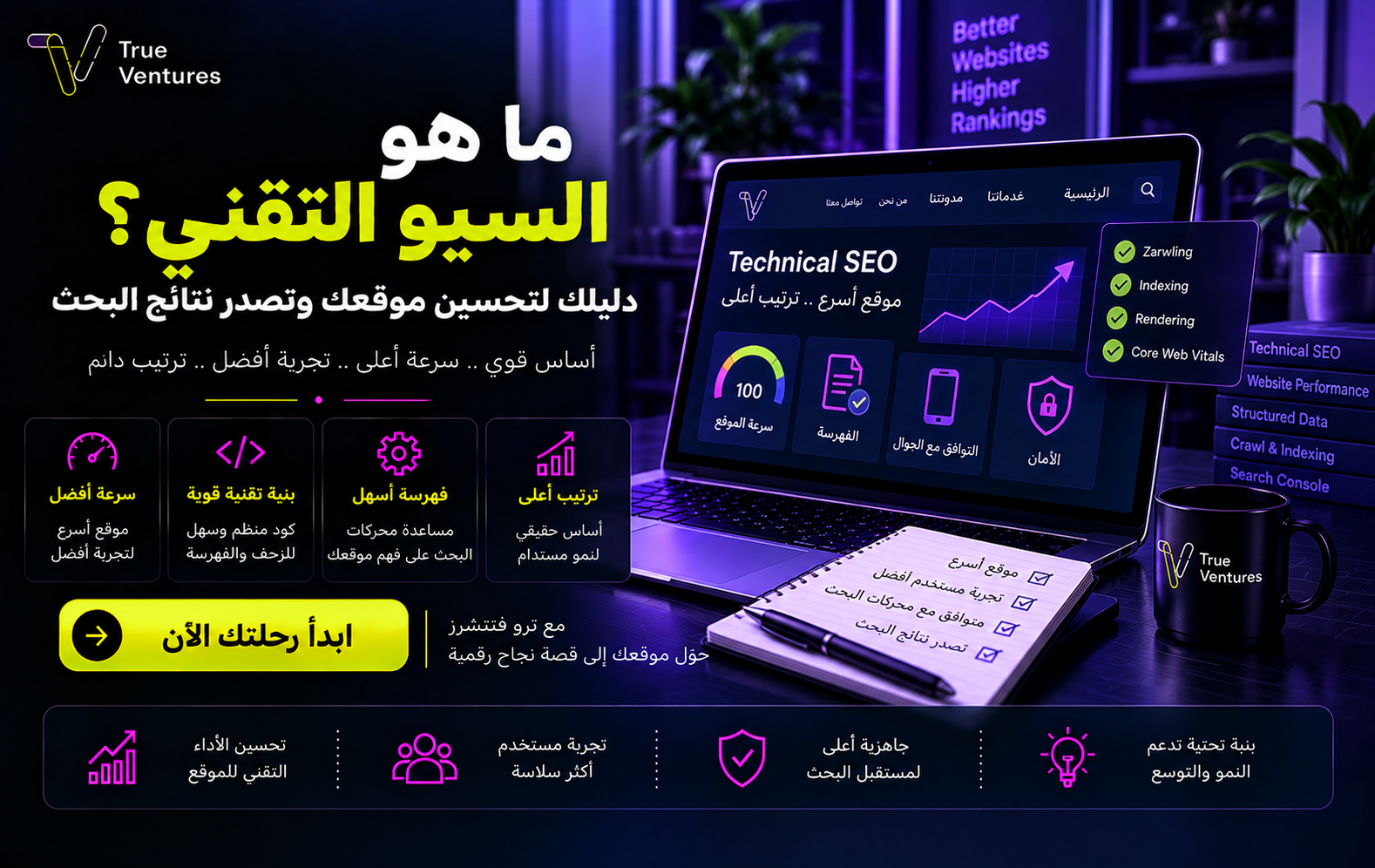 ما هو السيو التقني؟ دليلك لتحسين موقعك وتصدر نتائج البحثقد تمتلك محتوى ممتازًا وتصميمًا جذابًا، لكن الأخطاء التقنية قد تمنع موقعك من الظهور. فما هو السيو التقني، وكيف يساعدك على الوصول إلى عملائك؟