






The Importance of a Website for Business Growth
In the age of digital transformation, a website is far more than a services showcase. It builds trust, attracts customers, supports sales and opens real growth opportunities for your business.

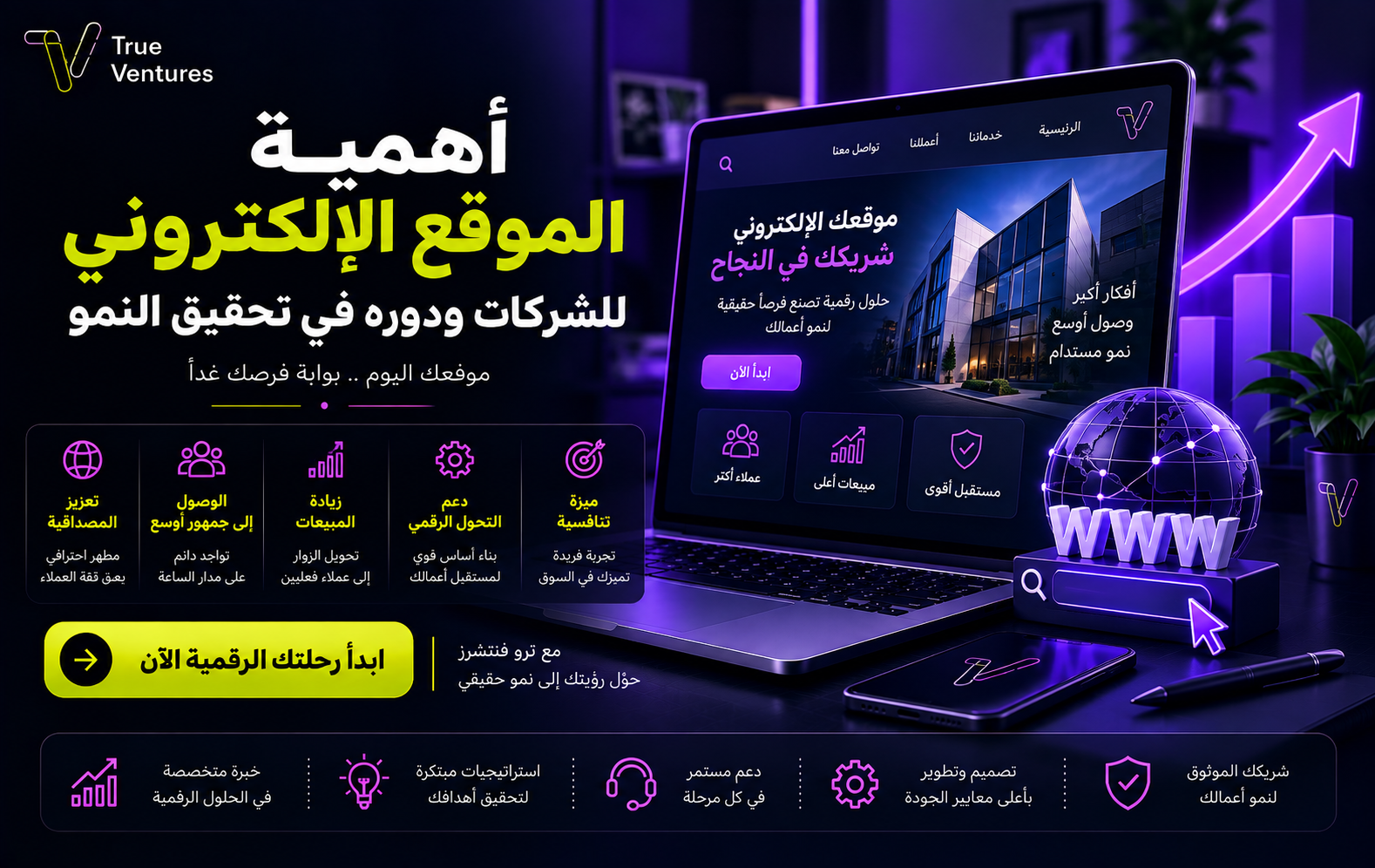
In the age of digital transformation, the importance of a website for business goes far beyond showcasing your services. Your website has become a complete digital front door that builds trust, attracts customers, supports sales and opens up real opportunities for growth.
What Is a Website? Understanding Digital Identity Today
A website is a set of connected digital pages that present information, services or products online. It might be a company profile website, an online store, a service platform or a fully integrated web portal that lets users complete specific tasks.
Today, however, a website means much more than that traditional definition: it is your organisation’s core digital identity. When customers search for a company or a service, the website is often their first official point of contact with the brand.
The importance of a website shows in its ability to present one consistent image of your company to the public through:
- Design, colours and brand identity.
- The way services and products are presented.
- The messages and values the brand stands for.
- User experience (UX) and easy access to information.
- Contact channels, consultation requests and purchases.
- Content that demonstrates the company’s expertise and areas of work.
That is why a website should not be treated as a static online catalogue, but as a digital asset you can keep developing to support marketing, sales and customer service.
Why Websites Matter for Companies and Businesses
Businesses need a digital channel they own, with full control over its content, data and user experience. This is where the importance of building a professional website becomes clear: it gives your business an official, stable presence instead of relying entirely on third-party platforms.
1. Boosting Credibility and Professionalism
A well-organised, fast website with clear information reassures customers that your company is serious. Showcasing your services, portfolio, certifications, policies and contact details builds trust and reduces hesitation before customers make a decision.
2. Being There for Customers Around the Clock
Your website works all day, every day, so visitors can explore your services, send a request, buy a product or book a consultation whenever suits them, without being tied to your working hours.
3. Reaching a Wider Audience
A website can help your company reach customers in your own city, across every region of the Kingdom or even in new markets, especially when its pages are optimised for search engines and target the terms your audience actually uses.
4. Supporting Customer Service
You can provide FAQ pages, service request forms, technical support, usage policies and how-to guides. This saves time for both customers and your team and makes answers far easier to find.
5. Lowering Marketing Costs Over Time
SEO-friendly content helps attract steady traffic without relying entirely on paid campaigns. The higher the quality of your content and the stronger your pages, the greater your chances of winning new leads.
6. Owning Your Data and Measuring Results
You can track visitor numbers, traffic sources, your most-viewed pages and the steps users take before they get in touch or buy. This data helps you make sharper marketing decisions.
What Makes a Website Succeed on Google?
Launching a website with an attractive design is not enough. A successful website combines technical performance, useful content and a great user experience.
Fast Page Loading
Users expect to find information quickly, so a slow website may drive them away before they even see your services. You can improve speed by compressing images, cutting unnecessary files, choosing suitable hosting and building the site with clean, well-organised code.
Mobile-Friendly Design
A large share of traffic comes from smartphones, so menus, text, buttons and forms must be clear and easy to use on every screen size.
A Clear Structure That Is Easy to Navigate
Visitors need to know where they are on your website and reach the page they want in as few steps as possible. The core structure usually includes the homepage, About Us, Services, Portfolio, Blog, FAQs and a Contact page.
Content That Matches Search Intent
Your website has a better chance of ranking when it gives genuine answers to your audience’s questions, rather than repeating keywords for no reason. Phrases such as the importance of a website and their synonyms should appear naturally in headings and paragraphs.
Optimised Titles and Meta Descriptions
Every page should have a clear title and a meta description that encourages clicks. Content should also be organised with a single main heading, followed by logically ordered subheadings.
Security and Data Protection
A secure connection, regular system updates, protected forms and access management are the basics of any professional website, especially when you collect customer data or process payments.
An Effective User Experience
A successful website guides visitors towards a clear next step, such as requesting a quote, booking a consultation or buying a product. Call-to-action buttons should stand out without annoying the user.
How a Website Strengthens Your Brand
A brand is not just a logo and colours; it is the complete impression customers form as they interact with your company. Your website shapes that impression through its design, performance, the way its content is written and how easy it is to get in touch.
A professional website strengthens your brand by:
- Telling your company’s story and vision clearly.
- Keeping colours, fonts and visual elements consistent.
- Highlighting your strengths and hands-on experience.
- Presenting your services in a way that reflects their real value.
- Publishing specialist content that proves your knowledge of your field.
- Delivering a consistent experience from the first visit to the service request.
Every detail on your website sends a message to customers. If the design looks dated, the pages are slow or the information is unclear, you may leave a negative impression even when the service itself is excellent.
How Websites and Online Stores Drive Marketing and Sales
The importance of a website becomes even clearer when it is part of the customer journey rather than just a space for information. A website brings together marketing, trust building, lead generation and conversion tracking.
Turning Visits into Sales Opportunities
You can guide visitors to fill in a form, request a call, book a service or complete a purchase. The shorter and clearer the user journey, the higher the chance of conversion.
Making Ad Campaigns More Effective
Campaigns need fast, persuasive landing pages that match the ad. Sending users to a generic, unclear page can waste your budget, while a dedicated page increases the chances of enquiries and purchases.
Supporting Customer Decisions
Your website can present technical details, benefits, project stages, FAQs and examples of past projects. This information helps customers weigh up their needs and make a more confident decision.
Selling Without Time Limits
An online store lets you display products and accept orders and payments around the clock. It can be connected to inventory, customer, shipping and reporting systems to reduce manual work and improve operational efficiency.
Making Better Decisions with Data
You can analyse which pages perform best, which products attract the most interest and where users drop off. That data then feeds into improving your design, content and marketing offers.
7 Expert Tips for Building a Website
1. Define Your Goal Before You Start
Do you want to introduce your company, receive requests, sell products or run a specialist platform? Defining your goal helps you choose the right design and features.
2. Understand Your Target Audience
Study your customers’ needs, the devices they use, their questions and the problems they want solved. Your website should be built from the user’s point of view, not the company’s alone.
3. Put User Experience First
Keep menus short, text easy to read and buttons clear. Visitors should never have to search for long to find a service or a way to get in touch.
4. Invest in a Scalable Technical Foundation
Choose technology that lets you add new features and connect your website to other systems in future. Your business needs may grow from a company profile website into a fully integrated platform.
5. Create Original, Persuasive Content
Steer clear of generic or copied content. Explain your services, how you work and the value customers get, and answer the questions that come before a buying decision.
6. Test Your Website Before Launch
Test the speed, forms, internal links, buttons and how pages display on different phones and browsers. You should also make sure that sign-up or payment processes work flawlessly, if you have them.
7. Plan for Maintenance and Continuous Improvement
Launching your website is not the end of the project. Monitor performance, update content, fix technical issues and improve pages based on user data and search results.
Turn Your Website into a Growing Digital Asset with True Ventures
The importance of a website lies in its role as a platform that brings together your company’s identity, services, marketing channels and customer data in one integrated digital experience. Unlocking that value, however, takes careful research, professional design and secure, scalable development.
The team at True Ventures works with a Saudi technology vision that empowers companies and organisations to go digital and build operational products that meet their current needs and are ready for future growth. Its methodology starts with analysing the business model and its users, then moves through designing a professional experience and interfaces, developing the software solution, and testing performance, security and compatibility, all the way to launch, follow-up and data-driven optimisation.
Its ISO 9001, ISO 27001 and ISO 20000-1 certifications reflect the company’s commitment to quality management, information security and excellence in IT service management.
If you want a website that does more than display your services, one that strengthens your brand, generates marketing opportunities and supports your business’s expansion, talk to True Ventures about turning your vision into a powerful, secure digital platform built to grow and attract investment.
FAQs About the Importance of a Website
Why Is a Website Important for Businesses?
A website helps you build credibility, showcase your services, reach a wider audience, receive requests and support marketing and sales around the clock.
Do Small Businesses Need a Website?
Yes. A website gives a small business an official presence and helps it compete, build trust and attract new customers, even if it starts with just a few pages.
Is Social Media Enough Without a Website?
Social media is important for engagement and reach, but it is no substitute for a website, the official channel where your company controls the content, the user experience and the data.
What Is the Difference Between a Website and an Online Store?
A website usually focuses on presenting information and services and receiving enquiries, while an online store adds selling, payment and the management of products, orders and customers.
How Does a Website Help Increase Sales?
It attracts customers through search engines and campaigns, gives them the information they need, and then guides them to request a service or buy through a clear user journey.
What Are the Key Features of a Successful Website?
Speed, mobile-friendliness, security, ease of use, useful content, an organised structure, a clear call to action and room to grow.
How Long Does It Take to Design and Develop a Website?
The timeline depends on the size of the website, the number of pages, the features required and any integrations. A careful analysis of the project scope helps set a realistic schedule.
Does a Website Need Maintenance After Launch?
Yes. It needs technical and security updates, performance monitoring, new content, bug fixes and continuous improvements to the user experience.
Turn this guide into a plan.
Tell us where you are today. Our team will map the next steps with you.
The quickest way
Have a question? Ask us on WhatsApp.
Tell us what you are planning and our team will point you to the right people — no form to fill in.
We usually reply within minutes during working hours.