









Salla vs Zid: A Complete Comparison to Pick Your Store Platform
Your e-commerce platform shapes how you run your store and grow sales. Here is the real difference between Salla and Zid, so you can choose the right fit.

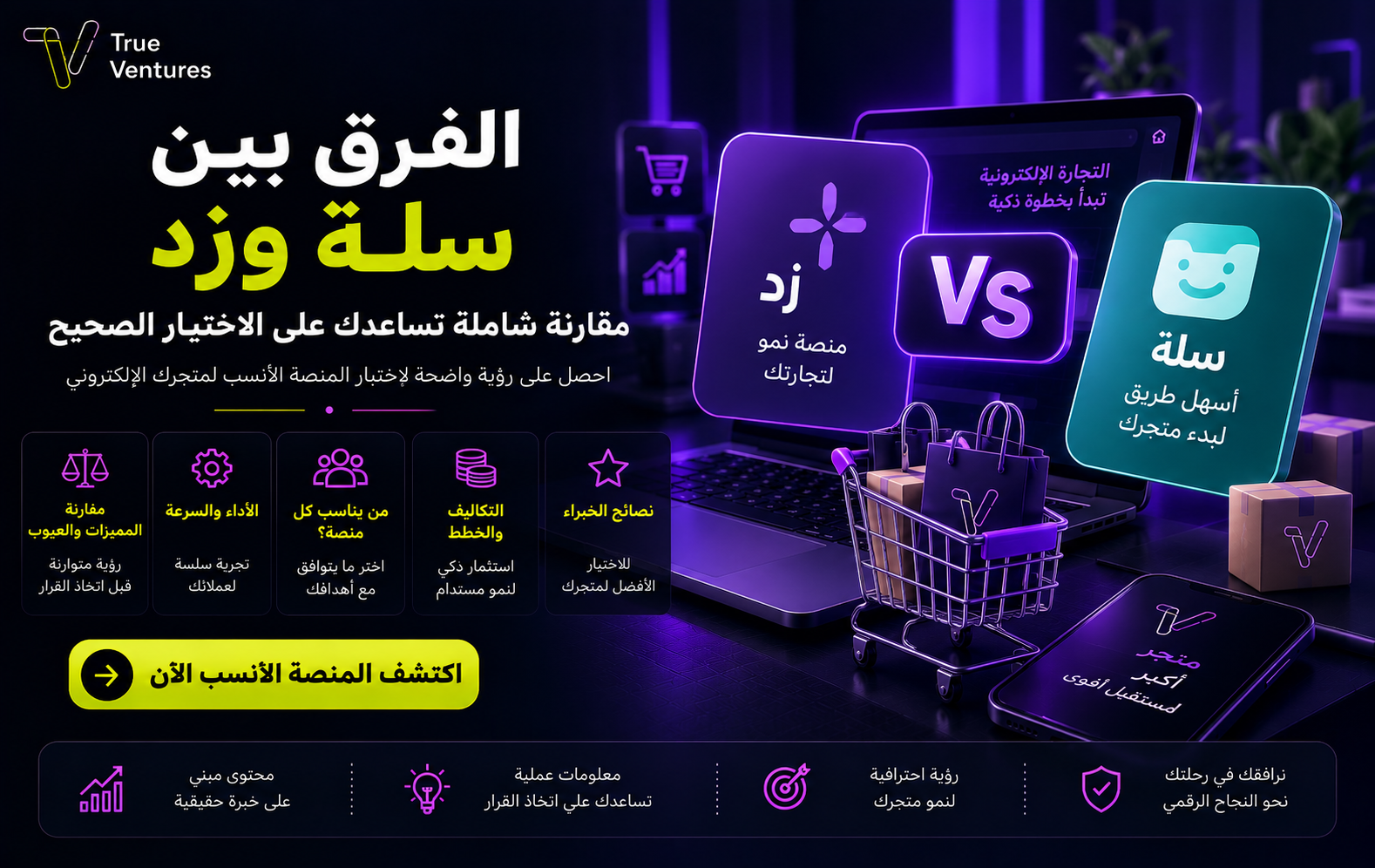
Choosing an e-commerce platform is a decision that shapes how you run your store and how fast your sales grow, so here is a clear breakdown of Salla vs Zid to help you pick the right solution for your business. When you are planning to launch an online store in Saudi Arabia, comparing Salla and Zid is one of the most important steps before you build anything. Both platforms let you create a store and manage products, orders, payments and shipping, but they differ in user experience, level of customisation, operational tools and how well they suit each type of business.
Neither platform is the best choice for every store. The right decision depends on the size of your business, the number of products, your team’s experience, your budget, the integrations you need and your plans for future growth.
What Is Salla?
Salla is an e-commerce platform that helps business owners create and manage an online store without advanced programming skills. It offers an Arabic admin dashboard along with tools for adding products, organising orders, managing customers and connecting payment and shipping services.
The platform focuses on making the launch journey simple, which makes it a good fit for beginners and start-ups that want to enter e-commerce quickly. It also offers a range of themes and apps that help merchants extend their store’s features, depending on the plan and add-ons they use.
An easy start, however, does not mean your business can skip professional planning. A store’s success also depends on user experience, content quality, page speed, marketing strategy and analysis of customer behaviour.
Is Salla Only for Saudi Citizens?
Salla is not necessarily limited to Saudi citizens, but using some payment, verification and commercial features may require official documents and details that vary by country and type of business.
The platform also has a clear focus on the needs of the Saudi and Gulf markets, from Arabic language support to payment and shipping options and tools built for local commerce. So check the registration, payment activation and verification requirements available for your country before you decide.
It is important to distinguish between being able to open an account and being able to run a fully operational store that accepts payments. That stage may require a commercial registration or a suitable business document, plus a bank account that meets the requirements.
What Is Zid?
Zid is a platform dedicated to helping merchants create online stores and manage the operations behind sales, orders, customers and inventory. It offers a range of plans with progressively richer features to suit different stages of business growth.
Zid leans towards building a complete operational system, especially for stores that need to manage more processes, teams, points of sale and integrations. It also offers customisation options that vary with the chosen plan and the tools added to the store.
The platform suits businesses that see their online store as a core part of their operations, not just an extra channel for displaying products and taking orders.
Salla Pros and Cons
Advantages of Salla
- Easy to set up an online store without advanced technical knowledge.
- A clear Arabic interface that helps beginners manage their store.
- The option to start on a free plan, based on the plans currently available.
- Ready-made themes that help you launch quickly.
- Support for a range of payment and shipping options suited to the local market.
- An app store for adding marketing and operational features.
- Easy management of products, orders and customers from one place.
- A good fit for small and medium-sized businesses at launch stage.
Disadvantages of Salla
- Some professional features are only available on paid plans or through add-ons.
- Deep customisation may require a higher plan or specialist help.
- Relying on many apps can push up operating costs.
- A ready-made theme may not give some brands enough visual distinction.
- Moving a large store to another platform later may need careful technical preparation.
These drawbacks do not make the platform unsuitable; they simply show why you should compare your business requirements with what each plan actually offers before you subscribe.
Zid Pros and Cons
Advantages of Zid
- Integrated tools for managing the store, orders and customers.
- Plans that suit different stages of business growth.
- The option to start on a free plan, based on current plans.
- Team management with permissions that vary by plan.
- Options covering sales, operations management and points of sale.
- More room for growing businesses to organise their operations.
- Broader storefront customisation on some plans.
- A good fit for stores that need a scalable operational setup.
Disadvantages of Zid
- Some settings can take longer to understand and configure.
- Advanced features are usually tied to more expensive plans.
- Its operational capabilities may exceed what a small store needs at the start.
- Storefront customisation and advanced integrations may require technical expertise.
- The final cost is not just the subscription; it also includes apps and supporting services.
Salla or Zid: Which Platform Suits Your Business?
The difference between Salla and Zid becomes clear when you match each platform’s features to your business’s stage and needs.
| Business Situation | Closest Fit |
| A new business that wants to test the market quickly | Salla |
| A store owner with no technical experience | Salla |
| A small store with a limited number of operations | Salla |
| A brand that needs more structured operations | Zid |
| A store with a team and multiple permission levels | Zid |
| A business preparing to scale and expand operations | Zid |
| A store that needs custom features or special integrations | Decided after a technical analysis |
| A business with an unconventional model | May need a custom-built solution |
This comparison is a guide, not a fixed rule. A small store may need advanced features, while a large store can run efficiently on a simpler setup if its operations are clear.
Salla vs Zid: Performance and Speed
You cannot judge a store’s speed by the platform’s name alone. Performance depends on many factors, including the theme, image sizes, the number of apps, any custom code and how the homepage is laid out.
Both platforms provide managed hosting, which spares merchants from dealing with servers directly. Even so, a store can slow down when it uses oversized images, installs too many add-ons or packs its pages with clutter.
To improve performance on either platform:
- Use compressed images at the right dimensions.
- Cut unnecessary animated elements.
- Choose a lightweight, mobile-friendly theme.
- Do not install apps that add no real value.
- Test product pages and the shopping cart regularly.
- Monitor load speed after every change.
- Keep the checkout steps short and clear.
Real performance should be measured on a trial version that resembles the store you plan to build, not on general impressions alone.
Key Tips Before Choosing an E-Commerce Platform
1. Define Your Needs Before Comparing Plans
Write down your expected number of products, the payment methods you need, your shipping companies, the size of your team, your target countries and the integrations you cannot do without.
2. Calculate the Total Cost
Do not look at the subscription fee alone. Add up the cost of the theme, apps, customisation, marketing, technical support and the fees tied to payments and shipping.
3. Test the Customer Journey
Set up a trial store and test searching for a product, opening its page, adding it to the cart and completing an order on a phone. Easy buying matters more than a long list of features.
4. Think About the Years Ahead
Ask what will happen when your products and orders grow or you enter new markets. The right platform should serve your current needs and support your next stage of growth.
5. Check Data Ownership
Make sure you can export your product, customer and order data, as you may need it for analysis or for moving to a different technical setup in the future.
6. Confirm Integration Options
List the systems you need to connect, such as accounting, inventory, customer relationship management (CRM) and analytics, then check how easily the platform integrates with them.
7. Review the Plans When You Decide
Prices, features and offers change, so check the official details at the time you subscribe and do not base your decision on an outdated comparison.
How to Choose the Right Platform to Launch Your Online Store
Start by setting your business goals, then split your requirements into three levels:
- Core requirements: adding products, receiving orders, payments and shipping.
- Growth requirements: reporting, marketing, team management and loyalty programmes.
- Future requirements: regional expansion, system integrations and custom development.
Next, score each requirement by importance and test both platforms using the same products and scenarios. Do not pick a platform because it has a long list of features; pick it because its functions clearly solve your business’s problems.
If your goal is to launch a simple store quickly, Salla may have the edge. If your operations are growing and you need more advanced management, Zid may be closer to what you need. And when your business model is complex or needs features that off-the-shelf solutions do not offer, developing a custom store or platform becomes an option worth exploring.
Salla vs Zid at a Glance: Quick Comparison Table
| Criterion | Salla | Zid |
| Ease of getting started | High | High, with extra operational detail |
| Suitability for beginners | Very suitable | Suitable, with more settings to configure |
| Free plan | Currently available | Currently available |
| Customisation | Scales with the theme and plan | Scales and may broaden on advanced plans |
| Operations management | Suits multiple stages | Clear focus on organisation and scaling |
| Apps and integrations | Multiple options | Multiple options |
| Final cost | Depends on plan and add-ons | Depends on plan and add-ons |
| Best for | A quick, simple start | Growth and advanced operational needs |
Build on a Technical Foundation That Supports Your Growth with True Ventures
The difference between Salla and Zid is not just about the platform’s name; it is about how well it fits your business model and goals. A rushed decision can lead to extra costs and make scaling harder, while the right analysis gives you a more stable and efficient store.
True Ventures helps you move from idea to successful digital product by analysing your business model, designing the user experience, developing the technical solution, running performance and security tests, then supporting your launch and growth.
Whether you need to choose a ready-made platform and set it up professionally or build a custom, scalable online store, the True Ventures team works with a technical and investment mindset that ties every build to real business results.
Talk to True Ventures today and launch your store on a well-planned technical foundation that serves your customers now and is ready for your future ambitions.
Salla vs Zid: Frequently Asked Questions
What is the main difference between Salla and Zid?
The biggest differences lie in the management experience, the level of customisation and the operational tools available on each plan. Salla leans towards making the start simple, while Zid places clear emphasis on organising operations and supporting growth.
Which is better: Salla or Zid?
No single platform is best for everyone. The answer depends on the size of your store, your budget, the size of your team, the integrations you need and your growth plans.
Do Salla and Zid offer a free plan?
Yes. Both platforms currently offer a free option to get started, but its features differ from the paid plans, and plan details may change over time.
Which platform is easier for beginners?
Beginners often find Salla quick and easy to set up, but your choice should also depend on the features your business will need after launch.
Is Zid suitable for small stores?
Yes, Zid can work well for small stores, especially if the owner wants to build organised operations and prepare for future growth.
Can I move from Salla to Zid, or the other way round?
Yes, you can switch, but it takes planning to transfer your products, customers, orders, domain and SEO settings without losing important data.
Does the platform alone guarantee a store’s success?
No. Success takes the right products, an easy buying experience, a strong brand identity, persuasive content, professional marketing, good customer service and continuous, data-driven improvement.
Should I choose a ready-made platform or a custom store?
A ready-made platform suits a quick launch and standard requirements. A custom store suits businesses with complex operations, special integrations or ambitious expansion plans.
Turn this guide into a plan.
Tell us where you are today. Our team will map the next steps with you.
The quickest way
Have a question? Ask us on WhatsApp.
Tell us what you are planning and our team will point you to the right people — no form to fill in.
We usually reply within minutes during working hours.