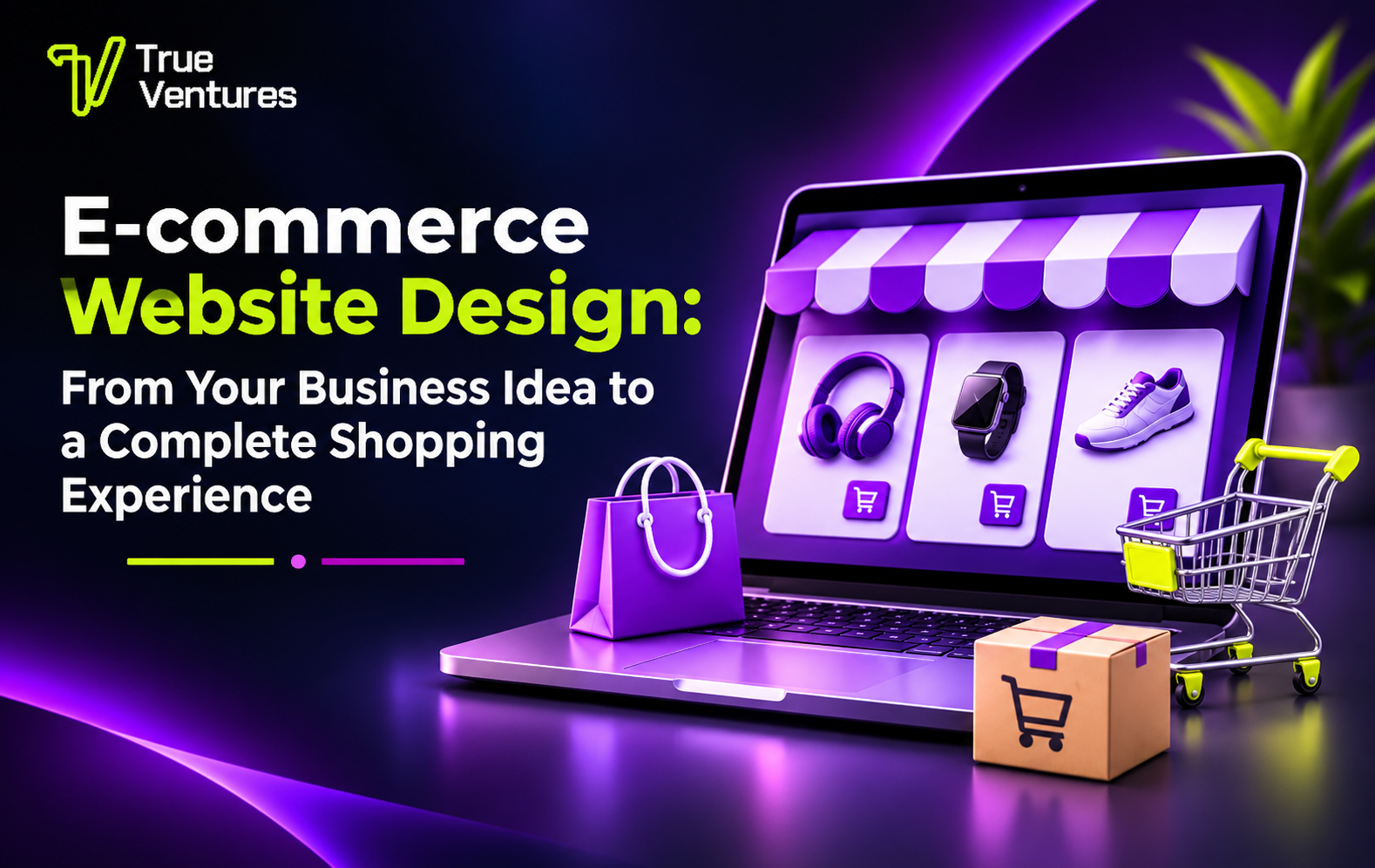






Best E-commerce Website Design Company: Build a Store That Sells
Looking for the best e-commerce website design company to turn your idea into a scalable online business? Learn how to choose, which platforms fit and how a successful store is built.

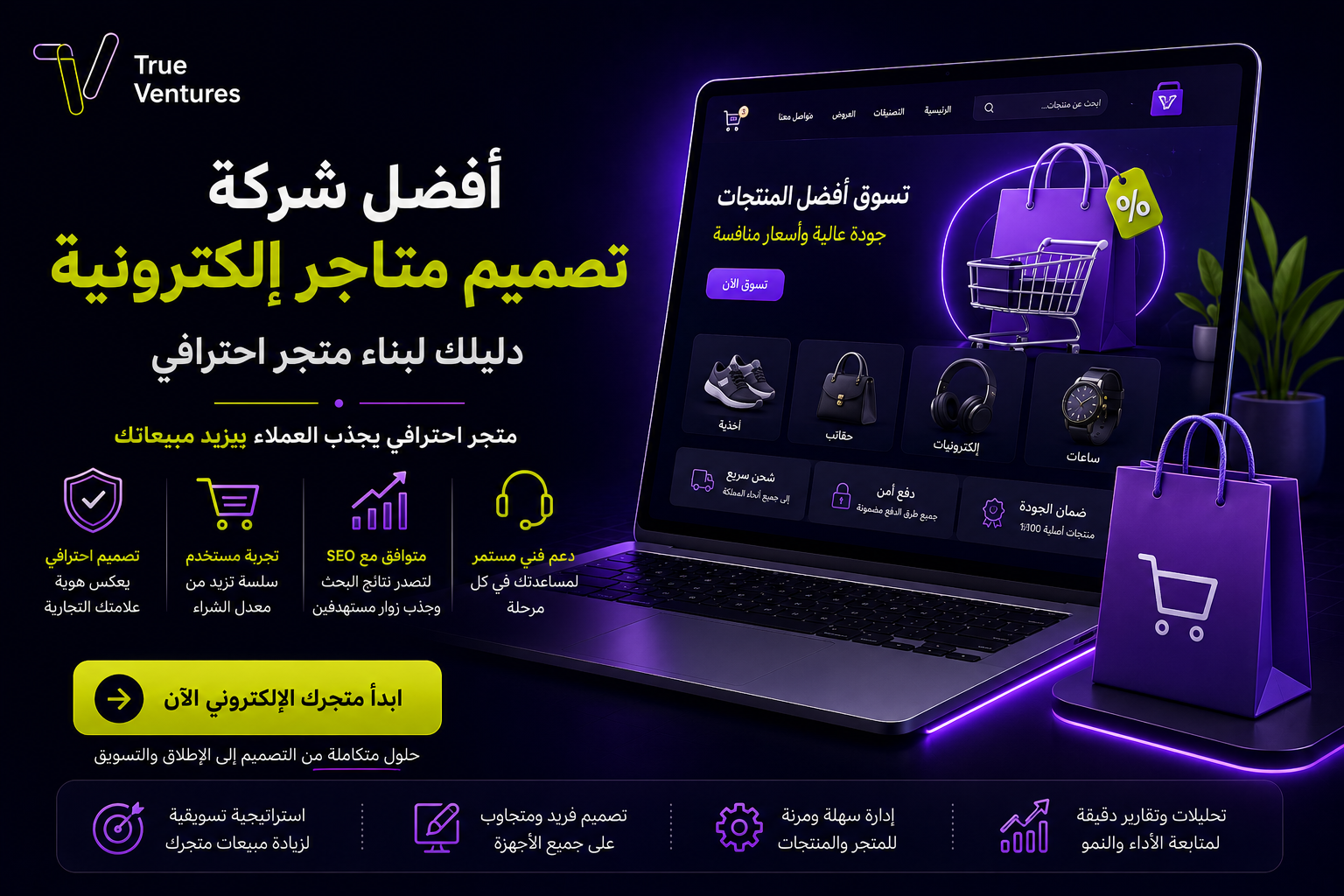
Looking for the best e-commerce website design company to turn your idea into a digital business that can grow? Here is how to choose the right partner, which platforms suit which stores, and the stages behind every successful online store.
An online store has become one of the most effective ways for companies and business owners to reach customers anytime, anywhere. But a store that simply lists products will not sell on its own. Success depends on an easy shopping experience, professional design, fast performance, the right payment and shipping options, and a technical foundation built to handle growth.
That is why working with a specialist company that understands your business model and picks the right technology matters far more than launching a limited store that is hard to develop later. In this guide we explain what e-commerce development companies do, how to choose between them, the leading e-commerce platforms, and the key stages of designing a professional online store.
What Does an E-commerce Development Company Do?
E-commerce development companies are technology firms that specialise in planning, designing and building online sales platforms. Their job goes well beyond an attractive storefront: they build a complete digital system that helps you manage products, inventory, orders, customers, payments and shipping.
A professional company starts by understanding your business and target audience, then decides whether the project needs a ready-made platform or a custom store built from scratch. Next, it designs the customer journey, from the moment a shopper lands on the store to the moment they complete their order and pay.
E-commerce design companies typically offer:
- Analysis of the project idea and business model.
- Research into customer needs and market competition.
- User experience (UX) and storefront interface design.
- Development of a store that works on mobile and every type of device.
- Setting up products, categories, search and filtering.
- Integration with payment gateways and shipping companies.
- An admin dashboard for managing orders and inventory.
- Security controls and data protection.
- Search engine optimisation (SEO) for the store.
- Performance and security testing.
- Training and technical support after launch.
Choosing the best e-commerce website design company therefore means finding a technology partner that understands commerce and growth, not just a vendor that installs a ready-made template.
How to Choose Among the Best E-commerce Development Companies in the Arab World
Plenty of companies offer e-commerce website design, but experience, build quality and support vary widely from one to the next. Use the following criteria to make a sharper decision:
Proven E-commerce Development Experience:
Review the company’s portfolio and check that it has delivered projects similar to yours. Experience with corporate websites alone is not enough, because online stores demand know-how in payments, inventory, shipping, order management and security.
Understanding of Your Business Model:
A professional company does not jump straight to colours and templates. It asks about your products, customers, target markets, average order value and expansion plans. That analysis lets it build a solution that serves your real business goals.
Clear User Experience Design:
Customers should be able to find a product, add it to the basket and complete their order in as few steps as possible. Look for a company with dedicated UI/UX designers, not just developers.
The Right Technology Choice:
No single platform suits every store. A ready-made solution may be ideal for a startup that wants to launch quickly, while companies with complex operations need a custom store or advanced software integrations.
Before the project starts, ask the company to explain why it chose a given technology, whether the store can be developed or migrated later, and what limitations you might face.
Fit With Your Target Market:
If you are targeting Saudi Arabia or the Gulf, your store must handle Arabic and right-to-left layout, local currencies and taxes, and integrate with the payment and shipping methods customers in the region actually use.
Speed and Mobile Compatibility:
A large share of shoppers browse online stores on their phones, so a fast, responsive design is essential. Speed also affects user experience, conversions and how well your pages rank in search results.
Security and Data Protection:
Ask about the SSL certificate, user permissions, system updates, payment protection and backups. It is best to work with a company that follows clear information security and system testing methodologies.
SEO-Ready Store Setup:
Your store should let you control page titles, meta descriptions, URLs, images and structured data. Product and category pages must also be indexable without technical issues.
Support After Launch:
Launching the store is the start of the work, not the end. Make sure training, technical support and maintenance are included, with a clear support period and a defined process for handling requests, faults and updates.
The 5 Best E-commerce Platforms for Building an Online Store:
The right platform depends on your project’s size, budget, technical needs and target market. Here are five leading platforms used in e-commerce website design:
1. Salla:
Salla is a Saudi e-commerce platform built primarily for merchants in the region. It suits anyone who wants to launch a store quickly in an Arabic-first environment with ready-made tools.
The platform helps you manage products, orders and design, and offers options that support selling, payments and shipping. It is a good fit for small and medium-sized businesses that do not need complex development or highly customised operations at the start.
Best for: Beginners and stores targeting the Saudi market that want a fast start.
2. Zid:
Zid is an all-in-one Saudi platform offering a store builder, payment and shipping operations, and tools for marketing and operations management. It also connects e-commerce with point-of-sale systems, which is useful for businesses that sell both online and through physical branches.
Best for: Local stores that need more advanced management and plan to expand across Saudi Arabia and the Gulf.
3. Shopify:
Shopify is a global platform with tools for building a store and managing products, orders, inventory, marketing and multichannel selling. It also has a vast app ecosystem for adding new features.
It is a strong option for brands targeting international markets, but you should assess local payment and shipping integrations, as well as app costs, before committing to it.
Best for: Companies selling internationally that need a scalable cloud-based ecosystem.
4. WooCommerce:
WooCommerce is an open-source solution that runs on WordPress and gives business owners great flexibility to customise design, functionality and content.
You can add a wide range of features through plugins or custom development, but it requires you to manage hosting, updates, security and performance optimisation. It is therefore best built and managed by a specialist technical team.
Best for: Stores that need more flexibility, greater ownership and detailed control over content and functionality.
5. Adobe Commerce:
Adobe Commerce, formerly known as Magento, is designed for enterprises and large stores with extensive product ranges and multiple operations.
It enables advanced commerce experiences and integration with internal systems, but it requires a substantial budget and a technical team experienced in development and administration.
Best for: Enterprises and large stores that need integrations, custom features and extensive scalability.
| Platform | Key Strength | Best Suited For |
| Salla | Easy start and local integrations | Small and medium-sized businesses |
| Zid | Local commerce and operations management | Growing stores and multi-branch businesses |
| Shopify | Global reach and app ecosystem | Selling across multiple markets |
| WooCommerce | Flexibility and control | Stores with specific requirements |
| Adobe Commerce | Enterprise scale and customisation | Large companies and stores |
No platform is the best choice for every project. The right one is the platform that fits your current operations and your future growth plans.
What Are the Stages of Professional E-commerce Website Design?
Designing an online store involves several connected stages, and each one directly shapes the quality of the final result.
1. Analysis and Project Discovery:
The process begins by defining your products, customers, markets, competitors and revenue model. The store’s functions, expected number of users, required integrations and project scope are then documented clearly in documents such as a BRD and SRS.
2. Choosing the Platform and Technical Architecture:
The team decides whether the project needs a ready-made platform, an open-source system or a custom-built store. That decision should be based on functionality, scalability and total cost of ownership, not just the initial build price.
3. Planning the Store Structure:
Sections, categories, product pages, the basket, customer accounts and shipping and returns policies are organised. The clearer the structure, the faster customers find what they want.
4. User Experience and Interface Design:
Prototypes of the user journey are created first, then interfaces are designed to match your brand identity. Buttons should be clear, search easy to use, product pages rich in information and checkout steps short.
5. Development and Integration:
Developers turn the design into a fully working store, then connect it to payment gateways, shipping providers and, where needed, inventory, accounting or CRM systems.
6. Adding Content and Products:
Product images, names, descriptions, prices and variants are added. It is important to write original descriptions that explain benefits and specifications and answer customer questions, rather than copying the supplier’s text.
7. Testing:
The full purchase journey is tested across different devices and browsers, covering page speed, security, load, payment methods, discounts, order notifications and inventory.
8. Launch and Training:
Once feedback has been addressed, the store goes live and your team is trained to manage products, orders and reports. Technical follow-up and performance monitoring then begin.
9. Optimisation and Growth:
Traffic, behaviour and sales data are analysed, then pages and checkout steps are improved. Images, headlines and offers can be tested to achieve a higher conversion rate.
Benefits of an Online Store for Businesses:
Reach Customers Around the Clock:
Customers can browse products and place orders 24 hours a day, without being tied to a branch location or opening hours.
Expand Into New Markets:
An online store helps your company reach new cities and countries, especially when you offer payment and shipping options that suit each target market.
Reduce Certain Operating Costs:
An online store does not eliminate operating costs, but it can reduce reliance on traditional branches and make order and inventory management more efficient.
Gather Data for Better Decisions:
Store analytics reveal your most viewed and best-selling products, traffic sources, basket abandonment rate and average order value. You can use this data to sharpen your marketing and inventory planning.
Improve the Customer Experience:
A store lets you present product details, comparisons, reviews and shipping policies in an organised way, and helps customers buy without lengthy procedures.
Power Your Digital Marketing:
Your store can be connected to search engines, advertising platforms, email and retargeting tools, so you can measure campaign results and tie them directly to sales.
Build a Scalable Digital Asset:
When a store is built on a strong technical foundation, you can add a mobile app, a loyalty programme, subscriptions, partner programmes and new integrations without rebuilding the project from scratch.
Why Choose True Ventures to Design Your Online Store?
True Ventures treats an online store as a complete digital product, not just pages that display products. We start by understanding your business and analysing your users, then define the technical solution that supports your goals and growth potential.
Our approach combines a Saudi investment mindset, regional technical expertise and global methodologies for systems analysis, design and development. Every project is delivered by a specialist team covering project management, user experience, software development and testing.
Building your store with True Ventures includes:
- Business model analysis and requirements documentation.
- User experience design that reflects your brand identity.
- Development of a secure, scalable store.
- Integration with the systems and services you need.
- Performance, security and compatibility testing.
- Launch, training and technical support.
- Continuous product improvement based on usage data.
Our ISO 9001, ISO 27001 and ISO 20000-1 certifications reflect our commitment to process quality, information security and IT service management.
The goal at True Ventures is to take you from an initial idea to a fully operational store, and then to a digital product ready to grow, expand and attract investment.
Start Your Online Store With True Ventures
A successful store does not start with a pretty template. It starts with understanding the market, building an effortless buying experience and choosing technology that serves your business today and can handle its growth tomorrow. Partnering with the best e-commerce website design company helps you avoid costly technical decisions and build a more stable, scalable platform.
Talk to True Ventures and turn your idea into a professional, secure online store that combines striking design, strong performance and easy management, and that carries your business from launch to growth and wider reach.
Questions and answers
01Which is the best e-commerce website design company?
The best company is one that understands your business, chooses the right technology, designs a professional user experience, and provides security, support and room to scale. True Ventures offers a complete methodology that starts with analysis and continues through launch and growth.
02How long does it take to design an online store?
The timeline depends on the number of pages and products, the integrations required and the type of development. Stores built on ready-made platforms are usually delivered faster than custom stores with complex systems.
03Is a ready-made e-commerce platform better than custom development?
A ready-made platform suits a fast launch and standard requirements, while custom development suits projects that need functions, processes or integrations that ready-made solutions do not offer.
04Can I build a mobile-friendly online store?
Yes, and mobile compatibility should be a core part of the design, with close attention to loading speed, easy browsing and fewer steps to complete an order.
05Does online store design include payment and shipping integration?
The project can include integration with suitable payment methods and shipping companies, but you need to specify the providers you want and confirm their registration and activation requirements before launch.
06How do I get my online store to show up on Google?
Your store needs a clear structure, indexable pages, optimised titles and descriptions, original content, compressed images, good speed, internal links and structured data for products.
07Does True Ventures provide support after the store launches?
Our methodology covers launch, training and follow-up, followed by data-driven improvements and new features added in line with your project's growth plan.
Turn this guide into a plan.
Tell us where you are today. Our team will map the next steps with you.
The quickest way
Have a question? Ask us on WhatsApp.
Tell us what you are planning and our team will point you to the right people — no form to fill in.
We usually reply within minutes during working hours.