




What Is Google Ads? A Guide to Winning Customers and Sales
Wondering what Google Ads is and how it can grow your business? Discover the campaign types, why they matter, why some campaigns stall and how to manage them for measurable results.

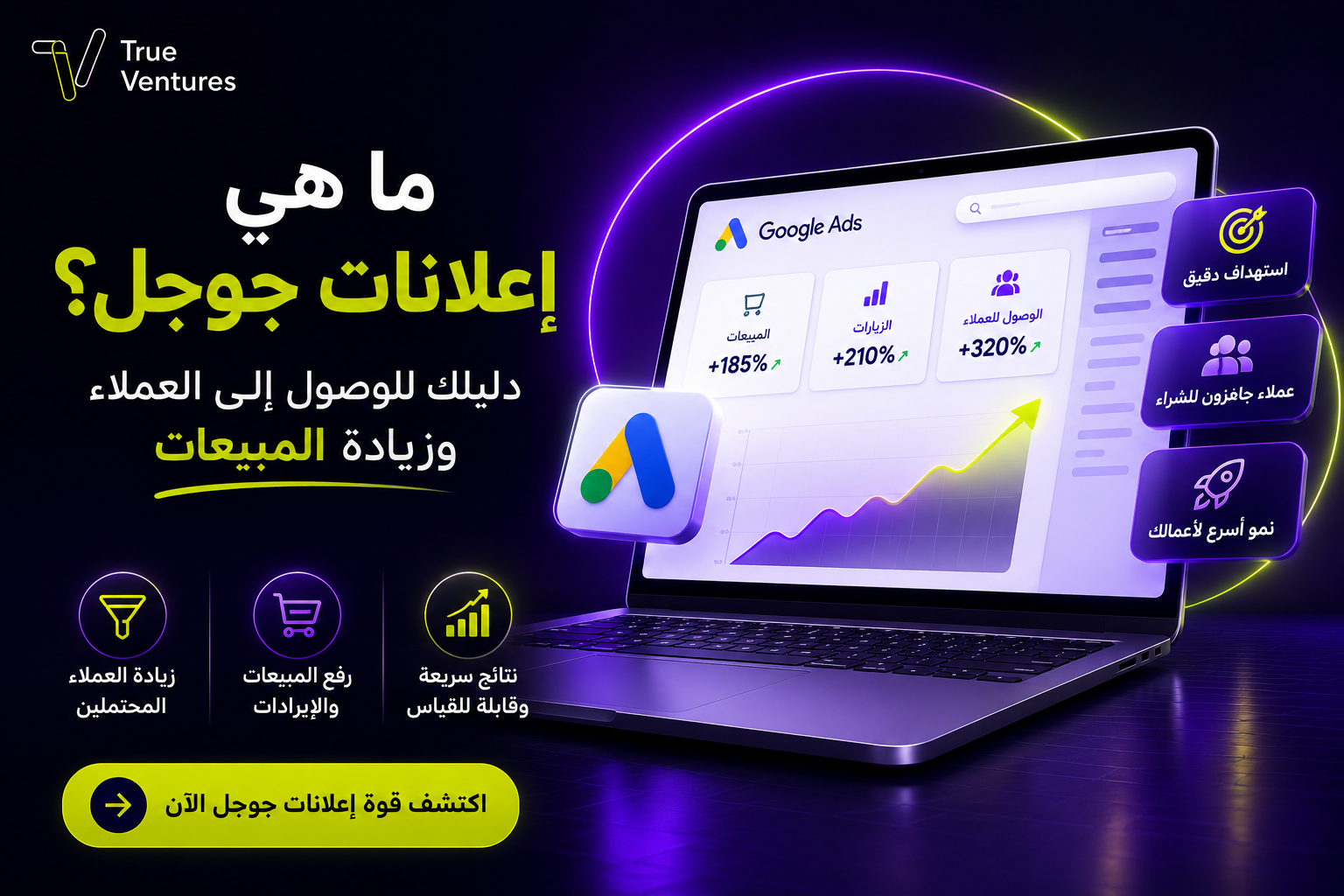
Wondering what Google Ads is and how it can help your business grow? This guide walks you through the campaign types, why they matter, why some campaigns stall and how to manage them professionally for results you can measure.
Google Ads puts your business in front of customers at the exact moment they search for a product or service you offer. But real results take more than launching an ad and paying for it. You need the right campaign type, a clear grasp of what your audience intends, and continuous work on your ads, your landing pages and your conversion tracking.
In this guide, we explain what Google Ads is, which campaign types are available and why companies need professional management for their campaigns, along with the most common reasons an ad fails to deliver the results you expected.
What Is Google Ads?
Google Ads is a paid advertising platform that lets businesses and individuals promote their products and services across Google Search, YouTube, and the websites, apps and other platforms that belong to Google’s network.
The platform runs on an ad auction. When someone searches for a term related to your service, the system decides which ads are eligible to appear and in what order, based on a range of factors: how relevant the ad is to the search, the quality of the ad and its landing page, the bid amount, and the expected impact of the ad’s assets.
Not every campaign is pay-per-click. Billing depends on the campaign goal and can be based on clicks, views, impressions or conversions. That is why you should set your marketing goal first, then choose the campaign type and bidding strategy that fit it.
The Google Ads platform gives advertisers control over their daily budget, locations, languages, audiences, devices and ad schedule, with the ability to track results and adjust or pause campaigns at any time.
Types of Google Ads Campaigns
Google Ads offers several campaign types to serve different goals, from attracting leads to boosting online store sales or driving app downloads.
Search Ads
These are text ads that appear in Google search results when someone uses terms related to what a business offers. They suit companies that want to reach customers with a clear intent to buy or get in touch.
For example, when someone searches for “app design company in Saudi Arabia”, an ad from a company offering that service can appear in the results, raising the chance of winning a lead who is already interested.
Successful search ads depend on:
- Choosing keywords that reflect what the customer actually intends.
- Writing a clear, persuasive ad.
- Using negative keywords to block irrelevant traffic.
- Sending users to a landing page that matches their search.
- Tracking calls, forms and sales accurately.
Display Ads
These ads appear as banners or visual designs on websites, apps and partner platforms within the Google Display Network.
Display campaigns are used to build brand awareness and reach a wide audience. They can also retarget people who visited your website or engaged with your business but did not take a final action.
YouTube Video Ads
Video ads play before or during YouTube videos, and can also appear in search results and other placements on the platform. They help you explain your services, showcase products and tell your brand story in an engaging visual way.
Depending on the campaign type and settings, video campaigns can build awareness, increase views and encourage customers to visit your website or take a specific action.
Shopping Ads
Google Shopping ads are built for online stores: they show the product image, name, price and store name directly in search results or the Shopping tab.
Their advantage is that customers see key information before they click, which can raise the quality of your traffic. They usually require a Google Merchant Center account and accurate, up-to-date product data.
App Campaigns
App campaigns aim to increase installs or encourage existing users to take actions inside the app. They can run across Search, Google Play, YouTube, the Display Network and other platforms.
These campaigns rely heavily on automation: the system uses the text, images and videos you provide to build multiple ads and optimise them for your chosen goal.
Performance Max Campaigns
Performance Max gives you access to all of Google’s advertising channels from a single campaign, using AI to optimise bids, allocate budget and choose audiences and placements.
These campaigns can suit sales and lead generation goals, but they need accurate conversion data, strong creative assets and useful audience signals. Automation does not mean you can stop monitoring: a clear strategy and sound measurement remain essential.
Why Do You Need a Google Ads Agency?
Any company can open an account and launch a campaign, but managing Google Ads for a strong return takes expertise well beyond the basic setup. Your budget can drain away on unqualified clicks if your keywords, targeting or measurement settings are off.
A specialist Google Ads agency helps you:
- Study the business, the market and competitors before launch.
- Set realistic, measurable goals.
- Choose the campaign types that suit the nature of the project.
- Find keywords that signal genuine buying intent.
- Structure campaigns and ad groups in an organised way.
- Write ads that speak to the audience’s needs.
- Set up conversion, call and form tracking.
- Analyse customer acquisition cost and return on ad spend.
- Test and improve ads and landing pages.
- Cut waste from irrelevant keywords and traffic.
The true measure of a Google Ads management company is not the number of clicks alone, but its ability to turn ad spend into enquiries or sales that bring real value to the business.
Why Is Google Ads Important for Your Business?
The value of Google Ads lies in its ability to reach people at every stage of the buying journey, from discovering a brand to deciding to get in touch or place an order.
Reach Customers at the Right Moment
Search ads let companies appear when users express a need in their own words. That makes a visit from a precise search term far more valuable than random exposure to an uninterested audience.
Precise Audience Targeting
You can choose countries, cities, languages, devices and ad schedules, and also use audience segments, demographics and interest signals, depending on the campaign type and platform policies.
Full Control Over Your Budget
Advertisers can set a suitable budget and adjust it based on results. But control does not always mean choosing the lowest cost per click: a more expensive keyword can be more profitable if it attracts customers with strong buying intent.
Measurable Results
The platform reports impressions, clicks, cost, conversions and sales value. Once the account is linked to the right measurement tools, you can see which campaigns, keywords and ads perform best.
Support for Reach and Sales
Google Ads is not limited to direct sales. You can use it to raise awareness, drive website traffic, generate calls and form submissions, promote apps or retarget visitors.
Fast Access to the Market
Organic search visibility can take time, while paid campaigns can start bringing in traffic once they are set up and approved. Even so, a campaign needs enough time to gather data and learn before you judge its performance.
Why Choose a Professional Google Ads Agency?
Professional management is not about spending more; it is about spending your budget where it is most likely to achieve your business goal. That is why you should look for an agency that starts by understanding your project before it proposes a budget or campaign type.
A professional Google Ads agency stands out through a few essential practices:
A Strategy Tied to Your Business Goal
A campaign built to increase calls is set up differently from an online store campaign aimed at sales. So the target conversion, its value and the key performance indicators must be defined before launch.
Measurement Set Up Correctly
If conversion tracking is inaccurate, an unsuccessful campaign can look good because of high clicks, or the system may steer the budget towards actions that create no real value.
A Better Ad Journey From Click to Conversion
The journey starts with the keyword, moves through the ad copy and the landing page, and ends with a clear action such as a call, a form submission or a purchase. A weakness at any of these stages can reduce your results.
Continuous Testing
Professional management tests headlines, descriptions, offers, audiences and landing pages, then bases decisions on data rather than guesswork.
Clear Reporting
Reports should show what was spent, the number of conversions, the cost per conversion, the quality of leads, the main changes made and the next optimisation plan.
Can I Run Google Ads Without a Website?
Yes, in some cases you can advertise without a full website, but the options available depend on your type of business, the campaign and your account’s eligibility.
In some local campaigns, you can direct customers to call your business or use your Google Business Profile, and lead form assets may be available to collect details from interested people directly within the ad. App owners can send their audience to the app’s store page instead of a traditional website.
Even so, a professional website or landing page remains an important choice for most businesses: it gives customers enough information, builds trust, explains your services and prices or features, and offers more room for measurement and persuasion.
If your budget is limited, you can start with a single fast, mobile-friendly landing page instead of building a large website. The page should include:
- A clear headline that matches the ad’s message.
- A short explanation of the service or offer.
- Elements that prove credibility and expertise.
- An easy-to-use call button or form.
- Fast loading on mobile.
- A privacy policy and clear contact details.
Why Do Google Ads Sometimes Fail to Deliver Results?
A campaign can earn impressions and clicks without producing enough sales or enquiries. The cause is rarely the platform itself; it is usually a flaw in strategy, execution or measurement.
Choosing the Wrong Keywords
Targeting broad terms can attract people looking for information who are not ready to buy. That is why you need to analyse search intent, use match types carefully, and keep reviewing search terms and adding negative keywords.
No Conversion Tracking
Without measuring calls, forms and sales, it is hard to know where results come from or how to improve your bids. The system may also make decisions based on incomplete data or unimportant goals.
Weak Ad Copy
If the ad does not make the service, benefit, location or required action clear, engagement may drop or clicks may come from the wrong audience. Google’s official guidelines recommend that ads relate directly to what the customer is searching for and that their message matches the landing page.
An Unconvincing Landing Page
The ad may be excellent, yet the customer leaves because the page is slow, hard to browse on a phone, missing key information, has a long contact form, or does not match the offer in the ad.
Wrong Location or Time Targeting
Showing ads in areas the business does not serve, or at times when the team cannot respond, burns through the budget with no real return.
A Budget That Does Not Match the Competition
Your budget may be small relative to search volume and keyword costs, which reduces impressions and the data available for optimisation. The answer is not to raise the budget automatically, but to narrow your targeting, set priorities and focus on your highest-value services.
Too Many Campaigns, Too Little Data
Splitting a small budget across many campaigns and ad groups scatters your data and slows down learning. It is often better to start with a limited number of goals and keywords, then expand based on results.
Stopping Optimisation
A campaign is not a one-time setup: competition, user behaviour and keyword costs keep changing. That is why search terms, budget, ads, conversions and landing pages must be reviewed regularly.
How to Get More Out of Your Google Ads Campaigns
To improve your campaign’s chances of success, follow these practical steps:
- Set one main goal for each campaign.
- Link that goal to a measurable business value.
- Research search terms and user intent before launch.
- Build tightly themed, clearly structured ad groups.
- Write several headlines and descriptions to test your messages.
- Use negative keywords to block unhelpful traffic.
- Send customers to a page that matches the ad.
- Turn on conversion tracking before you spend your budget.
- Monitor lead quality, not just the number of clicks.
- Make optimisation decisions only after gathering enough data.
Turn Your Ad Budget Into Growth With True Ventures
Now that you know what Google Ads is, it is clear that success does not come from visibility or more clicks alone. It comes from building a complete system: understanding the business and its audience, choosing the right campaign, message and landing page, and finishing with measurement and continuous optimisation.
With a Saudi vision, True Ventures for Software Solutions and Digital Marketing combines technical expertise with a clear understanding of growth goals, helping companies and organisations build a strong digital presence and turn data into more effective marketing decisions.
Whether you want to launch a new campaign or improve the performance of your current ones, talk to True Ventures for a well-planned advertising strategy that ties your budget to your project’s goals, helps you reach the right customers and delivers growth you can measure.
Questions and answers
01What is Google Ads in simple terms?
Google Ads is a paid advertising platform that lets advertisers reach customers through Google search results, YouTube, websites, apps and other platforms, with control over targeting and budget and the ability to measure results.
02How does Google Ads work?
An ad enters an auction whenever there is a suitable opportunity to show it. Google decides which ads are eligible and how they rank based on several factors, including the bid, ad quality, relevance to the user, context and the expected impact of the ad's assets.
03Is Google Ads free?
Creating an account is free, but running ads requires a budget. How you are charged depends on the campaign type and goal, for example per click, view, impression or conversion.
04How long does Google Ads take to show results?
Traffic can start once the campaign is live and the ads are approved, but a reliable assessment needs time and enough data. The timeframe depends on your budget, the competition, the number of conversions and the length of the customer's buying cycle.
05Is Google Ads suitable for small businesses?
Yes, as long as there is demand for the product or service and the target area, keywords and budget are defined precisely. You can start on a limited scale and expand once measurable results appear.
06What is the difference between Google Ads and SEO?
Google Ads gives you paid visibility that can be switched on quickly, while SEO aims to improve your free, organic visibility over the long term. Combining both channels often delivers a more stable presence and makes better use of search data.
07Can I run Google Ads without a bank card?
Campaigns require an accepted payment method that is available in the account's country. The payment options on offer can vary by country, currency and account settings.
08Can I pause a Google Ads campaign at any time?
Yes, you can pause or restart campaigns and change their budgets. However, it is best to avoid frequent, random changes, as they can affect performance stability and the learning process.
09How do I know if my Google Ads campaign is successful?
Success is measured against your business goal, such as the number of sales, qualified leads, customer acquisition cost, conversion value or return on ad spend, not by the number of clicks alone.
Turn this guide into a plan.
Tell us where you are today. Our team will map the next steps with you.
The quickest way
Have a question? Ask us on WhatsApp.
Tell us what you are planning and our team will point you to the right people — no form to fill in.
We usually reply within minutes during working hours.