

Web Design vs Web Development: What's the Difference?
Planning a professional website? Learn the real difference between web design and web development, what each role does, and how they work together to build a site that succeeds.

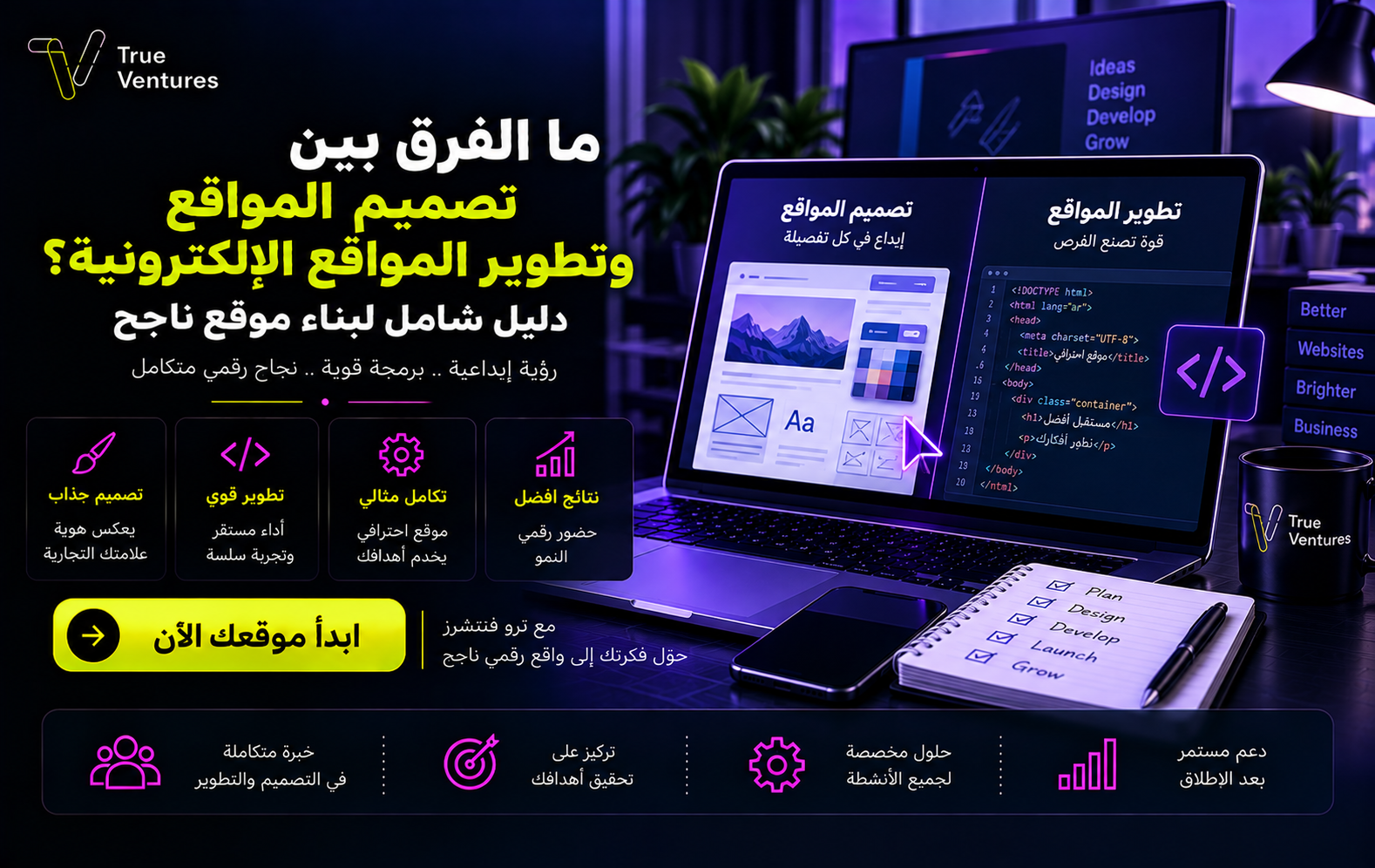
If you are planning to launch a professional website, you may be wondering: what is the difference between web design and web development? Here we explain the difference, and the role each discipline plays in the success of your digital project.For many companies, the website is now the first point of contact with their customers. That is why it isn’t enough for a site to look attractive — nor is it enough for it to work technically without a well-thought-out user experience. A successful website combines clear design that reflects the brand identity with software development that turns that design into a fast, secure and scalable platform.
Understanding the difference between web design and web programming helps you define your project’s needs, choose the right team, estimate time and cost realistically, and avoid mistakes that can hurt the user experience or your site’s ranking in search results.
The Difference Between Web Design and Web Programming
Web design focuses on everything users see and feel while browsing a website, whereas web development is about building the features and systems that make the pages actually work.
Website design covers choosing colours, fonts and images, organising content, deciding where buttons and menus go, and building a clear path that helps visitors reach their goal easily. Programming covers turning those designs into interactive pages, creating databases, connecting forms, and managing accounts, payments, permissions and technical integrations.
Think of design as the architectural plan and interior identity of a building, while programming is the construction, electrical work and systems that make it fit for use. Having one without the other produces an incomplete experience.
What Is Web Design?
Web design is the process of planning the visual appearance and user experience before the website is built in code. It isn’t just about producing beautiful pages; it starts with understanding the audience, the business goal and the action you want visitors to take.
Design is usually split into two core areas:
User Experience (UX) Design
UX design builds an easy, logical journey for users, from the moment they land on the site until they complete their goal — requesting a service, buying a product or sending an enquiry. It includes user research, page structure, navigation flows and prototyping.
User Interface (UI) Design
UI design focuses on the final look of visual elements such as colours, fonts, icons, images, buttons and white space. It also ensures consistent pages, clear content and interfaces that respond to phones, tablets and different screen sizes.
Designers use specialist tools to build wireframes and interactive prototypes, so clients can try out and review the user journey before programming begins.
What Is Web Development?
Web development is the process of turning the approved design into a real website that users can interact with. The developer writes the code, connects the pages to the server and databases, and makes sure every feature works efficiently and securely.
Web development is divided into three tracks:
Front-End Development
Front-end development handles the part users see, turning design files into real pages using HTML to build the structure, CSS to style the appearance and JavaScript to add interactivity, motion and dynamic features.
Back-End Development
Back-end development builds the operational logic behind the website, such as creating accounts, storing data, managing orders, checking permissions and connecting payment systems or other services. Various technologies can be used depending on the nature of the project and its security and scalability requirements.
Full-Stack Development
Full-stack development combines the front end and back end. Even so, medium and large projects usually need a team with different specialisms to ensure quality in design, programming, testing and project management.
Emerging Trends in Web Design and Development
The web keeps evolving, but the real trend isn’t piling on visual effects; it is delivering an experience that is faster, smarter and easier.
The most notable current trends include:
- Artificial intelligence: used for smart search, interactive assistants, content personalisation and visitor behaviour analysis, while protecting data and reviewing the quality of its output.
- Responsive design: building an experience that works well on every screen size, with clear priority given to mobile users.
- Optimising Core Web Vitals: focusing on how quickly content appears, how stable page elements are and how fast the site responds to user interaction.
- Accessibility: attention to colour contrast, easy keyboard navigation, legible text and suitable descriptions for images.
- Component-based design: building reusable elements to speed up development and keep the interface consistent.
- Security by design: applying security controls during analysis and development rather than dealing with them after the website launches.
- Personalised experiences: showing content or services that fit the needs of different user segments without complicating their journey.
Web Designer vs Web Developer: How Do Their Roles Differ?
A web designer asks questions such as: who is the user? What information are they looking for? How do we guide their attention? And where should the contact button go?
A web developer asks: how will we build this interface? How will the data be stored? What level of performance is expected? And how do we protect the system and make it scalable?
The designer is responsible for research, user experience, visual layout and the interactive prototype. The developer is responsible for writing code, building features, connecting databases, fixing bugs and improving technical performance.
The two work together throughout the project, because some design decisions may need technical adjustment, and technical capabilities may suggest solutions that improve the user experience.
Web Design vs Web Development: A Quick Comparison
| Criterion | Web Design | Web Development |
| Goal | Create an attractive, easy experience | Make the website and its features work |
| Focus | Look and visual journey | Code, data and logic |
| Key deliverables | Wireframes, prototypes and interfaces | Working pages and systems |
| Skills | UX, UI, colour and typography | Front end, back end and databases |
| Tools | Design and prototyping tools | Code editors and development frameworks |
| Measure of success | Clarity and ease of use | Speed, stability and security |
| How they relate | Defines how the website will look | Defines how the website will work |
So the short answer to the question what is the difference between web design and web development? is that design plans the look and the experience, while development turns that vision into a digital product that runs efficiently.
Common Web Design and Development Mistakes
Starting Without Clear Analysis
Rushing into execution without understanding the project goals and audience can produce a beautiful website that delivers no results. The scope of work, requirements, features and success indicators should be defined before design begins.
Focusing on Looks and Neglecting User Experience
Excessive animation, clashing colours and complicated menus can distract visitors. Clarity and easy access to information always come first.
Ignoring Mobile Devices
Designing a website only for large screens damages the experience for a large share of visitors. Pages, buttons and forms should be tested across multiple screen sizes.
Slow Loading
Huge images, unoptimised code and too many technical requests affect user satisfaction and search visibility. Compress images, cut unnecessary resources and test performance regularly.
Neglecting Security
Using untrusted plugins, weak passwords or insecure data storage can expose the project to serious risks. Protection, updates and backups are essentials, not optional extras.
Skipping Thorough Testing
Features, internal links, forms, browser compatibility, usability, performance and security should all be tested before launch.
What Do You Need to Design and Build a Website?
Start by defining the main goal: do you want to introduce your company, receive customer requests, sell products, manage internal operations or launch a complete digital platform?
Then prepare the following:
- A clear description of your business and target audience.
- A list of the core pages and features.
- Draft content for your services, products and FAQs.
- Your brand identity, or the requirements for developing one.
- Examples of styles that match your vision — without copying them.
- Your expected budget and timeline.
- Integration requirements with other systems.
- A plan for maintenance, support and improvement after launch.
Don’t let price be the only factor in your decision. A low-cost project that has to be rebuilt a few months later can end up costing more than a well-planned build from the start.
How to Choose a Professional Web Design and Development Company
Look for a technology partner who understands your business goals before talking about tools. A professional company starts with analysis, defines the project’s scope, phases and deliverables, and then ties design and development decisions to measurable results.
Ask the company about:
- Its methodology for gathering and analysing requirements.
- How it researches users and designs their journey.
- How it manages the project and communication.
- Performance, security and compatibility testing.
- Ownership of files, code and data.
- Training and support after launch.
- The system’s ability to handle future growth.
- The team’s experience with similar projects.
True Ventures combines a Saudi investment vision, regional technical expertise and global methodologies in systems analysis, design and development. Its methodology starts with understanding the business model and preparing requirements, then moves through experience and interface design, development, and performance, security and load testing, all the way to launch, support and a data-driven growth stage.
The company also offers solutions spanning systems and digital platform development, mobile app design, user experience and digital identities, enterprise and government sector solutions, and growth and digital transformation services. Its ISO 9001, ISO 27001 and ISO 20000-1 certifications reflect its commitment to quality, information security and IT service management.
Conclusion: Turn Your Idea into a Digital Product Built to Grow
The answer is now clear: web design creates the visual experience and maps out the user journey, while web development builds the features and systems that make that experience work. A website only achieves its real goals when the two disciplines come together within a strategy that understands the needs of both the project and the user.
If you want to move from an early idea to a stable, secure and scalable platform, True Ventures helps you analyse, design, develop, test and launch your project, then improve it based on data and results. Take a well-planned first step today and talk to the True Ventures team about building a digital product that serves your customers now and is ready for your business growth tomorrow.
FAQs: Web Design vs Web Development
Is Web Design the Same as Web Development?
No. Design deals with the look and the user experience, while development turns the design into pages, features and systems that actually work.
Which Comes First: Design or Development?
A project usually starts with requirements analysis, followed by user experience and interface design; once these are approved, programming begins. This order reduces costly changes during development.
Can One Person Design and Build a Website?
Yes, for some simple projects. But professional projects benefit from having specialists in analysis, design, programming, testing, security and project management.
Does Web Development Only Mean Back-End Programming?
No. It includes the front end that users see and the back end that manages data and features, and a full-stack developer may cover both.
Does an Attractive Website Guarantee Success?
Not on its own. A website must be fast, easy to use, secure and mobile-friendly, offer useful content and lead visitors to a clear action.
How Long Does It Take to Design and Develop a Website?
It depends on the number of pages, features and integrations, the level of customisation and how quickly content and designs are approved. That is why an exact timeline can’t be given before the requirements are analysed.
Why Do I Need Support After My Website Launches?
Because a website needs security updates, performance monitoring, bug fixes, backups and continuous improvements based on user behaviour and the growth of your business.
Turn this guide into a plan.
Tell us where you are today. Our team will map the next steps with you.
The quickest way
Have a question? Ask us on WhatsApp.
Tell us what you are planning and our team will point you to the right people — no form to fill in.
We usually reply within minutes during working hours.