






Benefits of Mobile Apps: Why an App Is Now Essential for Growth
The benefits of mobile apps go far beyond convenience. Discover how apps save time, boost sales and build loyalty, which types matter most, and which technologies power them.

The benefits of mobile apps now sit at the heart of our daily lives and of every serious business growth strategy. Apps save time, make services easier to reach, and give businesses a direct channel for engaging customers and increasing sales. With people relying on smartphones to shop, book, learn and run their work, the question is no longer whether a company needs a mobile app, but how to build one that delivers real value to users and sustainable growth to the business.
In this guide we explain what mobile app development is, the most common types of apps and their goals, the key benefits of mobile apps for individuals and companies, and the technologies and programming languages used to design and build them.
What Is Mobile App Development?
Mobile app development is the process of analysing, designing, programming, testing and launching software built to run on smartphones and tablets, such as Android devices and the iPhone.
Successful mobile app design is about far more than writing code. It starts with understanding user needs and business goals, moves on to user experience and interface design, then development and testing, and continues through publishing and ongoing improvement.
The app development process typically includes:
- Analysing the app idea, the market and competitors.
- Defining the target audience and its needs.
- Preparing requirements and core features.
- Designing the user experience (UX) and user interface (UI).
- Developing the app and connecting it to the required databases and systems.
- Running performance, security and compatibility tests.
- Launching the app on the app stores.
- Monitoring performance and adding improvements based on usage data.
This methodology turns the app into a digital product that serves the company’s goals, rather than just another front end for its business.
What Are the Most Popular Types of Mobile Apps?
App types vary by goal, audience and development approach. The most widely used mobile apps include:
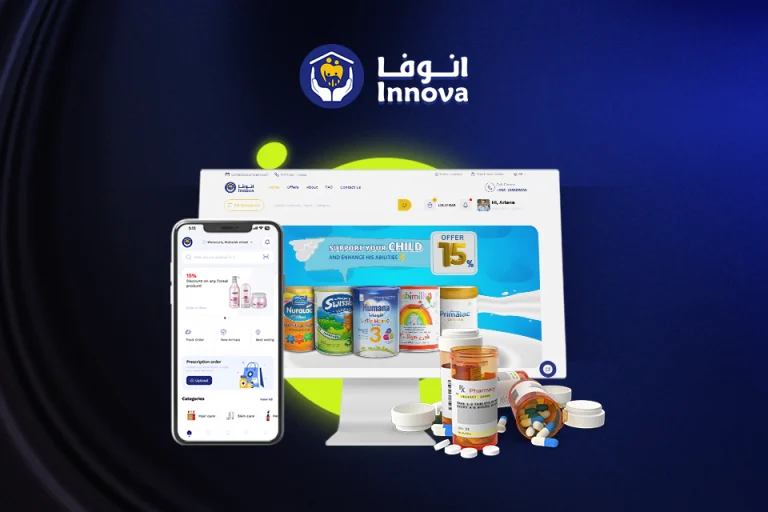
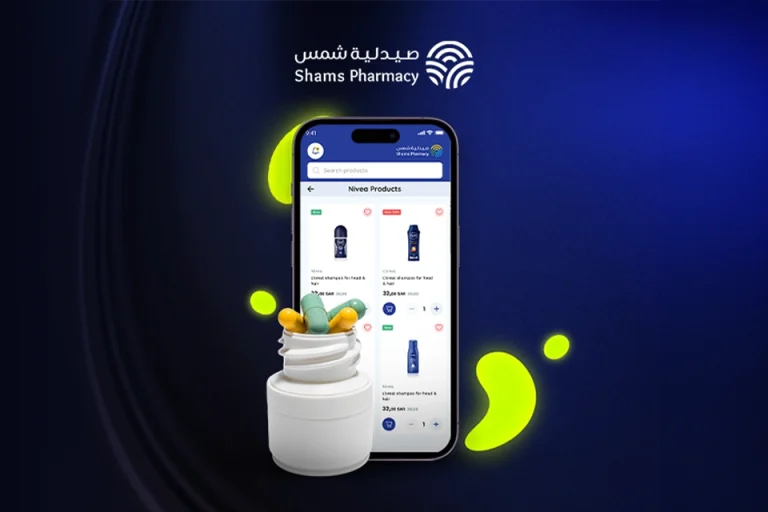
E-commerce Apps:
They let users search for and compare products, add them to the basket, and complete the purchase and payment from their phone.
For businesses, their value lies in a sales channel that is open around the clock, with the ability to offer personalised deals and send customers notifications.
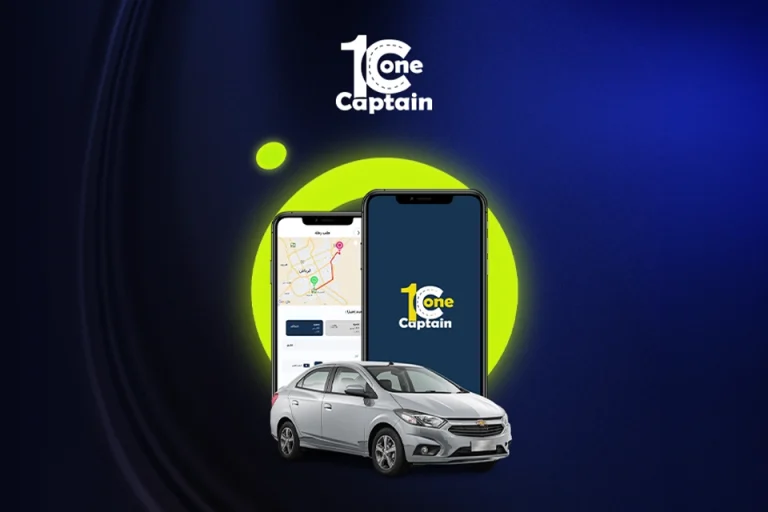
Service and Booking Apps:
These include apps for booking appointments, hotels, transport, restaurants, home services and more. They turn processes that might take several calls or steps into a fast digital experience.
Social Media Apps:
They allow users to share content, messages, photos and video and to build digital communities, and they have become one of the main ways individuals and brands connect.
Financial Apps:
These include banking apps, digital wallets, payment management and financial services, all of which rely heavily on security and identity verification technologies.
Educational Apps:
They give users access to lessons, courses, tests and learning content at any time, and offer companies and educational institutions the chance to build more flexible learning experiences.
Business Management and Productivity Apps:
Examples include apps for managing tasks, projects, appointments, sales and staff. They make it possible to access information and follow operations on the move.
The Goals of Mobile Apps:
App development should begin with a clear, measurable goal. That goal might be increasing sales, improving the customer experience, lowering the cost of delivering a service or automating an internal operational process.
The most important goals of mobile apps include:
- Making products and services easier for customers to reach.
- Improving the user experience and the speed of completing tasks.
- Creating a direct communication channel between the company and its customers.
- Increasing sales and conversion rates.
- Strengthening customer loyalty and retention.
- Automating repetitive services and procedures.
- Collecting data that helps you understand user behaviour.
- Creating new digital revenue streams.
- Supporting the company’s digital transformation strategy.
Before building your app, define a key performance indicator for each goal. If the goal is more sales, track the conversion rate and average order value; loyalty can be measured through user retention and frequency of use.
Benefits of Mobile Apps for Individuals:
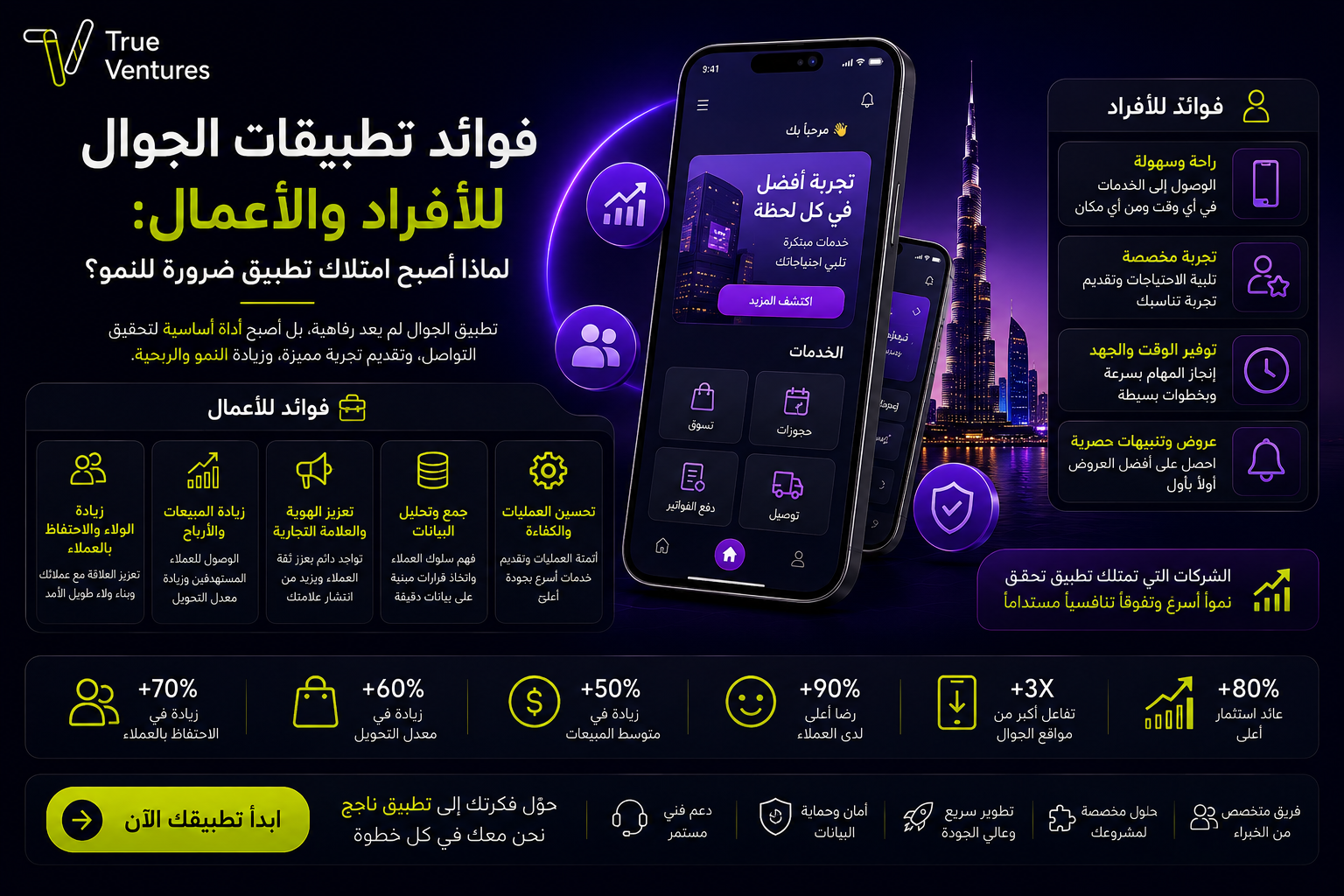
When it comes to the benefits of mobile apps, the core value for users is bringing services and information closer and making them easier to use.
Saving Time and Effort:
Users can buy a product, order a meal, book an appointment or pay a bill from their phone instead of going through long, traditional procedures.
Simplifying Everyday Tasks:
Apps give round-the-clock access to many services, giving users far more flexibility in managing their daily needs.
Organising Life and Work:
Task management, calendar, note-taking and collaboration apps help people order their priorities and appointments and become more productive.
Learning and Communication:
Educational apps deliver content that can be accessed from anywhere, while communication apps make it easy to share information and interact instantly.
A More Personalised Experience:
Apps can offer content, products or deals that better match a user’s interests and past behaviour, provided their data is handled responsibly and transparently.
Why Mobile Apps Matter for Businesses and Companies:
The benefits of mobile apps for business go well beyond offering another way to access services. When an app is built around a clear strategy, it can become a sales, marketing, customer service and data collection channel all at once.
1. Direct Communication With Customers:
Push notifications let you send important updates, reminders or offers straight to customers, helping the company stay connected with its audience and keep engagement going.
2. Increased Sales:
An app reduces the number of purchase steps and makes products and payment easier to reach. It can also be combined with loyalty programmes and personalised offers to raise conversion and repeat purchases.
3. Stronger Customer Loyalty:
Having your app on a customer’s phone keeps your brand present, while a fast experience, personalised perks and rewards programmes encourage users to come back and use your services again.
4. Understanding User Behaviour:
Analytics tools can measure how customers use the app, such as the most visited screens, the points where they drop out of the purchase journey and the most used features.
This data helps companies make more accurate development and marketing decisions instead of relying on assumptions.
5. New Revenue Streams:
Depending on the project, an app can generate revenue through product and service sales, monthly or annual subscriptions, in-app purchases, paid services and other monetisation models that suit the business.
6. Supporting Digital Transformation:
A mobile app can be connected to CRM, ERP, HR, payment systems and cloud platforms, turning many traditional processes into one connected digital journey.
Which Programming Languages Are Used to Build a Mobile App?
Choosing the right technology depends on the operating system, budget, performance requirements, project features and future expansion plans.
Kotlin:
Kotlin is one of the leading languages for native Android app development, offering a modern environment for building advanced apps for the Android platform.
Java:
Java has been widely used in Android app development and is still found in many existing apps, systems and software projects.
Swift:
Swift is the modern core language for building native apps across the Apple ecosystem, including iPhone and iPad apps.
Dart and Flutter:
Flutter is a development framework built on the Dart language that lets you build apps for multiple platforms from a largely shared codebase, making it a popular choice for projects targeting both Android and iOS.
JavaScript and TypeScript:
They are used with technologies such as React Native to build cross-platform apps, and they also power many parts of the digital ecosystems connected to apps.
No single language is the best choice for every project. The right technology should be chosen only after analysing the product’s needs, the target audience, the required features and the project’s future plans.
How to Get the Most Out of the Benefits of Mobile Apps
Owning an app does not guarantee results on its own. To achieve a real return, focus on a genuine user problem and offer a simpler, faster solution than the alternatives.
Start by launching an initial version with the core features, then use usage data and customer feedback to set development priorities. Pay close attention to app speed, simple interfaces, data security and fewer steps to sign up and buy.
Make performance indicators part of your app strategy from day one, such as active users, retention rate, conversion rate, frequency of use and average revenue per user.
Turn Your Idea Into a Scalable App With True Ventures
The real benefits of mobile apps appear when an app moves beyond a technical idea to become a fast, secure, easy-to-use digital product that is ready to scale.
This is where True Ventures comes in: a Saudi technology company with a forward-looking vision to enable the digital transformation of companies and organisations, and to turn ideas into products and operational platforms built for growth.
At True Ventures, mobile app development does not start with code alone. It starts with understanding your business model and analysing the market and user needs, then moves through user experience and interface design, development with modern technologies such as Flutter and Native, performance, security and compatibility testing, and on to launch, support and continuous data-driven improvement.
True Ventures combines a Saudi investment vision, regional technical expertise and global methodologies for systems analysis, design and development, backed by a specialist team in project management, user experience and software development.
Have an app idea, or want to turn your company’s services into a complete digital experience? Talk to True Ventures and go from validating your idea and building the product all the way to an app ready to grow and scale.
Frequently Asked Questions About the Benefits of Mobile Apps:
What are the main benefits of mobile apps for businesses?
The key benefits include a better customer experience, easier direct communication, more sales opportunities, stronger loyalty, insight into user behaviour, service automation and new digital revenue channels.
Does every business need a mobile app?
Not necessarily. The decision depends on the nature of the business, audience behaviour and how often the service is used. If customers need to interact with the company frequently or carry out actions such as buying, booking and tracking, an app may be the more worthwhile investment.
What is the difference between a mobile app and a website?
A website runs in the browser and is easy to access without installation, while an app can offer an experience more closely integrated with the phone’s features, such as notifications and certain device functions. In many projects, the website and app work together as complementary parts.
How do mobile apps help increase sales?
By simplifying the purchase journey, saving user preferences, sending relevant offers, providing loyalty programmes and convenient payment options, and reducing the number of steps needed to complete an order.
What is the best programming language for mobile app development?
It depends on the project. Kotlin can be used for Android apps and Swift for iOS apps, while technologies such as Flutter allow you to build cross-platform apps efficiently.
Why does user experience matter for an app’s success?
User experience determines how easily customers reach what they want. The clearer and faster the interface and the fewer the steps, the more likely users are to keep using the app and to achieve the goal it was built for.
What are the key stages of building a successful mobile app?
It starts with analysing the project and audience, then defining requirements, designing the user experience and interfaces, development, testing and launch, followed by tracking usage data and making continuous improvements.
Conclusion:
The benefits of mobile apps are now clear for individuals and companies alike, from saving time and simplifying services to increasing sales, improving communication, analysing customer behaviour and supporting digital transformation.
But an app’s success does not depend on simply being in the app store. It depends on the quality of the idea, the user experience, the right technology, security, performance and the product’s ability to evolve with customer needs.
If you are planning to launch a new app, start with the most important question: what value will the app deliver to your users and your business? Then build the product and the technology around that value.
With True Ventures, you can move from an idea to a complete digital product built to grow and scale. Talk to the True Ventures team and start building an app that serves your customers and achieves your business goals.
Turn this guide into a plan.
Tell us where you are today. Our team will map the next steps with you.
The quickest way
Have a question? Ask us on WhatsApp.
Tell us what you are planning and our team will point you to the right people — no form to fill in.
We usually reply within minutes during working hours.