






SEO Tips to Rank Higher on Google and Grow Your Traffic
Great services but no customers finding your website? These SEO tips help you lift your rankings, attract targeted traffic and turn search into real growth opportunities.

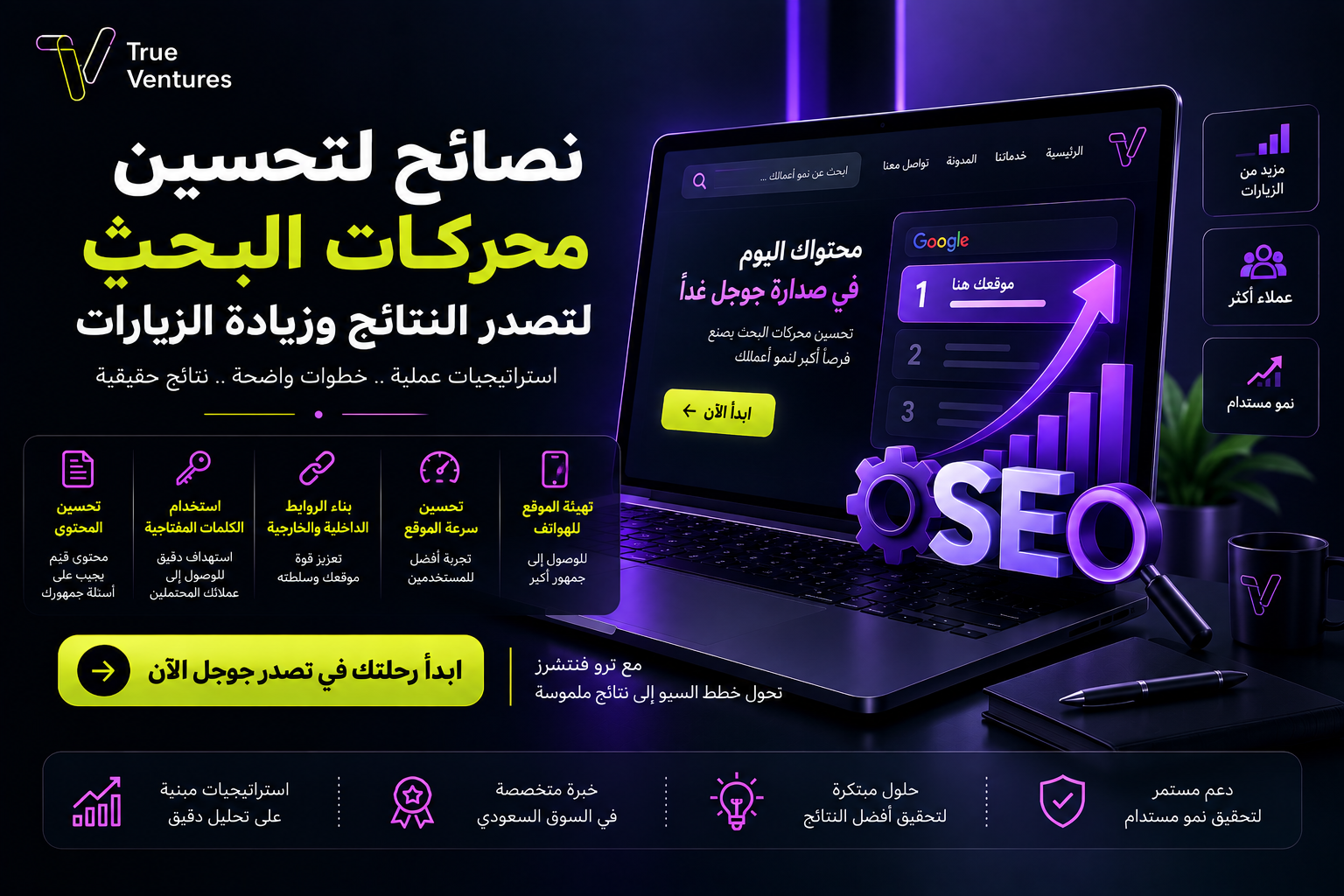
Does your website offer excellent services yet still fail to reach customers? The right SEO tips can lift the visibility of your pages, attract targeted traffic and turn search into genuine growth opportunities.
Everything You Need to Know About Search Engine Optimisation (SEO):
Search engine optimisation, or SEO, is a set of practices that increases your website’s visibility in organic search results when people search for information, products or services related to your business.
SEO is about far more than placing keywords in your content. It covers your site structure, page quality, loading speed, user experience, internal and external links, and how trustworthy your brand appears.
SEO revolves around three core concepts:
- Keywords: the phrases your audience types when they search.
- Organic results: the traffic your website earns without paying for each click.
- Search intent: what the user actually wants, such as finding information, comparing a service or making a purchase decision.
The better your website understands these elements and delivers a useful, easy-to-find answer, the better its chances of ranking near the top.
How Does SEO Work?
SEO works by helping search engines understand your website’s pages, then proving those pages are useful and deserve to be shown to searchers. The process starts with researching your audience and keywords, then creating content that meets their needs while improving the technical side and the user experience.
The process can be summed up in the following steps:
- Analyse your business and target audience: to understand what customers search for and the problems they want to solve.
- Choose the right keywords: based on their relevance to your service, user intent and level of competition.
- Develop your content: by providing clear, comprehensive information that outperforms competitors in usefulness and organisation.
- Optimise each page: through headings, meta descriptions, internal links and images.
- Fix technical issues: such as a slow website, broken pages and poor mobile browsing.
- Build authority: by establishing a strong digital reputation and earning high-quality mentions and links.
- Measure and improve: using traffic, ranking and conversion data.
SEO is not a one-off task. It is an ongoing process shaped by competition, content updates and changes in how users and search engines behave.
How Do Search Engines Work Today?
Web pages go through three main stages before they appear in search results: crawling, indexing and ranking.
Crawling Your Website’s Pages:
Search engines send automated bots to discover web pages and new or updated content. These bots move between pages by following internal and external links and XML sitemap files.
A clear structure and well-organised internal links make your important pages easy to discover. Isolated pages, or pages with technical errors, may be hard to reach.
Indexing Your Content:
Once a page is discovered, search engines analyse its content, headings, images and main topic, then decide whether it is suitable for adding to the index.
Being crawled does not guarantee being indexed. Duplicate content, low quality, incorrect blocking settings or a lack of the value searchers need can all keep a page out.
Ranking the Results:
When a user runs a search, search engines compare indexed pages to deliver the most relevant and useful results. Ranking is influenced by many factors, including:
- How closely the content matches search intent.
- The quality and clarity of the information.
- The expertise and trustworthiness of the source.
- How easy the website is to use on mobile.
- Page loading speed and stability.
- How content and internal links are organised.
- The quality of external links and mentions.
- How up to date the information is, when the topic demands it.
The goal is not simply to please algorithms but to give the best possible experience to the person searching for an answer or a service.
Types of SEO:
On-Page SEO:
This covers everything you optimise within your website’s pages, such as:
- Content quality and depth.
- Placing keywords naturally.
- Organising main headings and subheadings.
- Writing an engaging page title and meta description.
- Optimising URLs.
- Adding alt text to images.
- Creating useful internal links.
- Improving readability.
On-page SEO gives search engines and users a clear picture of what a page is about and why it matters.
Off-Page SEO:
This includes activities that strengthen your website’s reputation beyond its own pages, such as earning backlinks from trusted websites, growing brand awareness, reviews and digital mentions.
Value is not about the number of links alone. A single relevant link from a trusted source can be worth more than a large number of weak or off-topic links.
Technical SEO:
This focuses on how easily your website can be crawled, indexed and used, and includes:
- Improving loading speed.
- Optimising the website for mobile.
- Setting up an XML sitemap.
- Reviewing the robots.txt file.
- Fixing broken links.
- Improving page structure.
- Enabling a secure (HTTPS) connection.
- Reducing duplicate content.
- Using structured data where needed.
Any technical weakness can hold back your content’s results, however good that content is.
Local SEO:
This targets customers searching for services in a specific city or area. It involves optimising your business listing, contact details and local pages, keeping your company information consistent and encouraging genuine customers to share their reviews.
Local SEO is especially important for businesses targeting the Saudi market or serving specific cities.
E-commerce SEO:
This focuses on optimising product pages, categories and the purchase journey, while dealing with similar products, filters and duplicate descriptions. It helps attract users with a clear intent to compare or buy.
The Benefits of SEO:
Applying SEO tips in a well-planned way delivers a range of benefits for businesses, most notably:
- More targeted organic traffic.
- Reaching customers at the very moment they search for your service.
- Greater audience trust in your brand.
- Less total dependence on paid advertising.
- A better user experience and easier browsing.
- More sales, enquiries and contact requests.
- Insight into your audience’s interests through search data.
- A sustainable, scalable digital presence.
- Helping new pages and services gain traction.
- A long-term competitive advantage.
The real value of SEO shows when traffic is tied to business goals, such as more quote requests, sales or bookings, not just a higher visitor count.
How Do Top Search Rankings Affect Your Business Growth?
Customers often begin their journey by searching for a solution to their problem. When your website appears among the top results, the chances rise that they will visit it and get to know your services before making a decision.
A high ranking gives your business a combination of marketing and commercial benefits, including:
Greater Brand Awareness:
When your company name keeps appearing in searches related to your field, users become more familiar with your brand, even if they don’t decide straight away.
Attracting Customers with Real Intent:
Search traffic is different from random reach. Users state their own need through the phrase they type, which makes them more likely to become customers when they land on the right page.
Stronger Credibility:
Many users associate top results with quality and trust. Keeping that trust, however, requires accurate content, a seamless experience and professional service pages.
Better Marketing ROI:
An optimised page can keep attracting visitors long after it is published, especially when it is updated and its performance tracked. That makes SEO a marketing asset whose impact compounds over time.
The Most Important SEO Tips:
1. Understand Search Intent Before You Write:
Don’t start with the keyword alone; work out what the searcher wants. Are they looking for a definition, practical steps, a comparison or a company that provides the service? The type of page you create must reflect that intent precisely.
2. Choose Keywords Tied to Your Business Goals:
Use one clear primary keyword, then support it with semantically related phrases. For this article, for example, that could mean terms such as search engine optimisation, SEO tips, ranking at the top of search results, increasing traffic and improving your website’s ranking.
Avoid artificial repetition; natural, high-quality content matters more than keyword stuffing.
3. Write Content That Answers Real Questions:
Give a direct answer at the start of each section, then add the details and examples. Make every paragraph do a specific job, and cut repetition and anything that doesn’t serve the reader.
4. Optimise Your Page Title and Meta Description:
Your page title should include the primary keyword and state the benefit clearly. Your meta description should summarise the content and encourage searchers to click, without overblown promises.
5. Structure Your Headings Correctly:
Use a single main heading for the page, then break the topic into logically ordered subheadings. This structure helps readers find information and lets search engines understand how your content is organised.
6. Build Strategic Internal Links:
Link the page to related articles and services on your website using clear anchor text. Internal links guide users to further information, make pages easier to discover and spread their importance across the site.
7. Optimise Images Without Hurting Speed:
Compress your images, choose suitable dimensions, and use descriptive file names and alt text that accurately explains what each image shows. Never use alt text to stuff in keywords.
8. Make Your Website Fast and Mobile-Friendly:
Review page loading speed, element sizes, font legibility and how easy buttons are to tap. Visitors should be able to read your content and complete the action you want from any device.
9. Fix Technical Issues Continuously:
Check for unindexed pages, errors, redirects, broken links and duplicate content. Fixing one technical issue with wide impact can be worth more than publishing new pages.
10. Demonstrate Expertise and Build Trust:
Present accurate information, make your expertise clear, update outdated data and avoid unproven claims. Your website should also include clear information about your company, its services and how to contact you.
11. Update Your Published Content:
Review pages that have lost their rankings or contain outdated information. Add new answers, improve the structure, fill the gaps and remove sections that add nothing.
12. Measure Business Results:
Track keyword rankings, organic traffic, click-through rate, engagement, enquiries and sales. Real success is not measured by position alone but by the commercial value your website delivers.
Start Your Journey to the Top of Search Results with True Ventures:
Digital growth doesn’t come from scattered tips. It takes a strategy that connects content, technology and user experience to your business goals. That is where True Ventures comes in, with an end-to-end methodology that starts by analysing your business, market and audience, then develops your website and content and tracks performance based on data.
True Ventures combines regional technical expertise, a Saudi investment vision and a deep understanding of what digital growth requires. Its specialist team helps businesses and organisations build robust, scalable platforms, improve the user experience and strengthen their visibility in search results.
If you want to turn your website from a mere online presence into a channel that attracts customers and fuels your growth, talk to True Ventures about launching an SEO strategy built on analysis, execution and continuous measurement.
Questions and answers
01What is the most important SEO tip?
Understand the user's search intent and deliver content that meets it clearly and comprehensively. The technical side, page structure and building authority then come next to support your chances of ranking.
02How long does it take to improve a website's ranking?
It depends on the state of your website, the level of competition, the extent of technical issues and the quality of your content. Results usually appear gradually, while competitive keywords need consistent work and more time.
03Does repeating a keyword improve a page's ranking?
Not necessarily. Excessive repetition can hurt readability and content quality. It is better to use the primary keyword and its synonyms naturally, in places where they serve the meaning.
04Can you do SEO without content?
Strong results are hard to achieve without content, because content is how you answer your audience's questions and make clear what a page is about. But content alone is not enough if your website suffers from technical issues or a poor user experience.
05What is the difference between SEO and paid ads?
SEO aims for visibility in organic results and builds compounding growth, while ads deliver paid visibility that usually stops when the budget does. The two can be combined within a balanced marketing strategy.
06Does website speed affect search rankings?
Yes, because it affects the user experience and how easily people can reach your content. A slow website can make visitors leave before they read the page or complete the action you want.
07Are backlinks necessary for SEO?
Relevant, trustworthy links help strengthen your website's reputation, but their quality and relevance to your field matter more than their number. Artificial or weak links may bring no real benefit.
08How do I know if my SEO strategy is working?
Track growth in impressions, clicks, targeted traffic and keyword rankings, then link these metrics to the number of enquiries, customers and sales generated by organic search.
09Why do I need a specialist SEO company?
Because SEO combines analysis, content, development, user experience and performance measurement. A specialist partner helps you set priorities, fix issues and build an integrated plan that serves your project's goals instead of carrying out scattered tasks.
Turn this guide into a plan.
Tell us where you are today. Our team will map the next steps with you.
The quickest way
Have a question? Ask us on WhatsApp.
Tell us what you are planning and our team will point you to the right people — no form to fill in.
We usually reply within minutes during working hours.