








Digital Marketing Strategies: Build a Plan for Real Growth
Being visible online is no longer enough to win customers. Learn the digital marketing strategies that work, how to build a clear plan, and how to measure results for lasting growth.

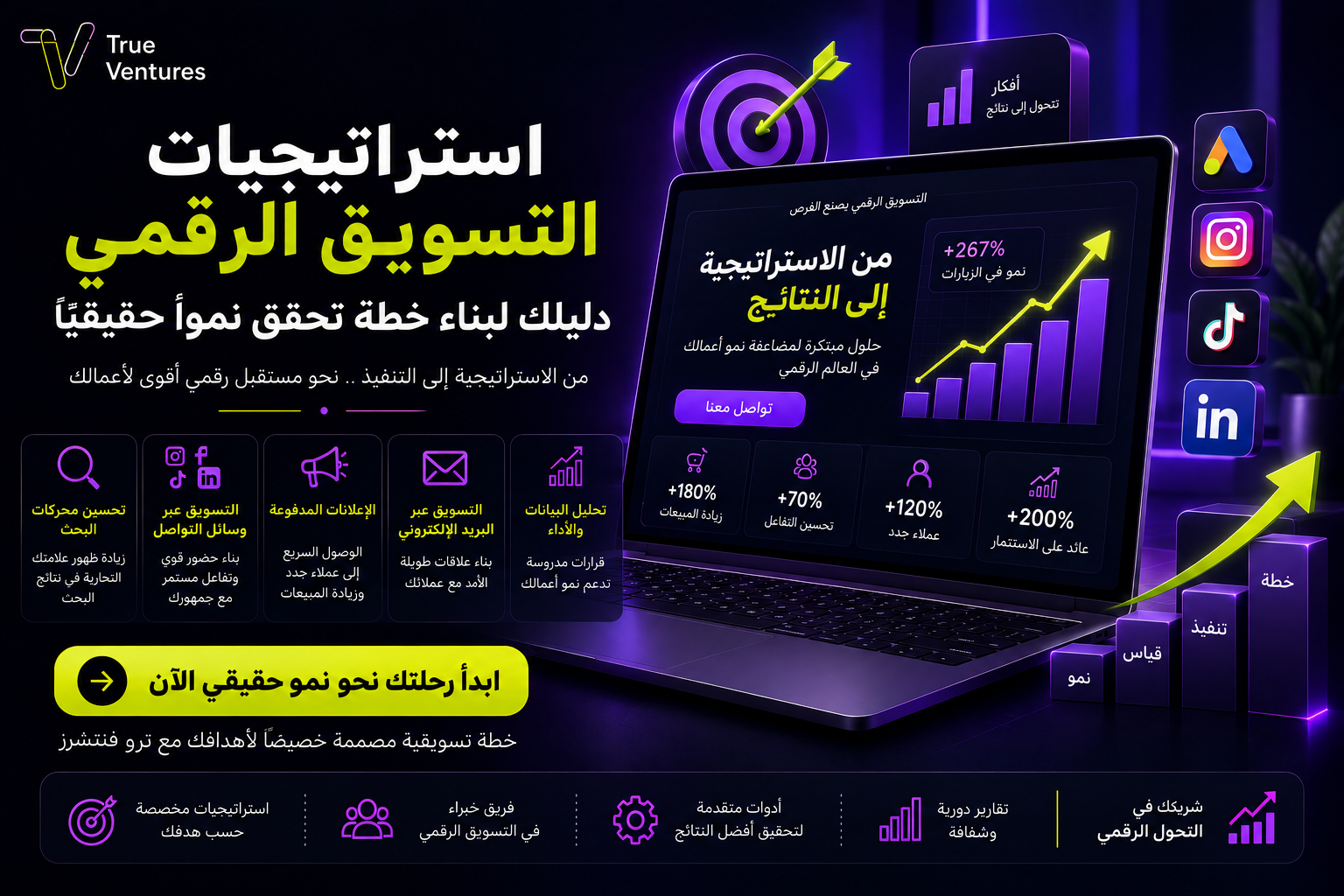
Being visible online is no longer enough to win customers. Effective digital marketing strategies need a clear plan that combines a deep understanding of your audience, the right choice of channels and rigorous analysis of results to deliver sustainable growth.
What Are Digital Marketing Strategies?
Digital marketing strategies are integrated plans that use online channels and platforms to reach your target audience, build brand awareness, attract potential customers and turn them into paying clients.
A successful strategy is not just about publishing content or launching ads. It starts with defining the business goal and studying the audience and competition, then choosing the right channels and setting the marketing messages and performance indicators that will measure results.
The leading digital marketing strategies include:
- Search engine optimisation (SEO).
- Content marketing.
- Social media marketing.
- Paid digital advertising.
- Email marketing.
- Influencer marketing.
- Retargeting potential customers.
- User experience (UX) and conversion rate optimisation.
The real power lies in combining these strategies into a single plan. Content might bring a customer in from search engines, social media then builds trust, and ads retarget them and encourage the decision to buy.
Why Online Marketing Strategies Matter for Businesses:
Online marketing strategies help companies move from random decisions to deliberate steps based on clear goals and data. Their key benefits include:
Reaching the Right Audience:
Digital channels let you target users by interests, location, buying behaviour and needs, so your message reaches the people most ready to engage.
Building Brand Awareness:
Consistent visibility and coherent content fix your company’s name in the audience’s mind. When a customer needs the service, the brand they know and trust becomes one of their first choices.
Making the Budget Work Harder:
Digital tools give companies far greater ability to track spend, measure results and see which channels deliver the best return, so the budget can be reallocated based on actual performance.
Attracting Qualified Leads:
The aim is not just more traffic but users with a genuine interest in your services or products, who are then guided step by step towards getting in touch or buying.
Measuring Performance Precisely:
You can track indicators such as visits, engagement rate, customer acquisition cost, conversion rate and return on investment. This data reveals improvement opportunities and supports more accurate decisions.
Search Engine Optimisation (SEO) Strategy:
SEO is one of the most important long-term digital marketing strategies, because it puts your website in front of users at the exact moment they are searching for a product, service or answer related to your business.
An effective SEO strategy rests on several connected elements:
Keyword Research:
Choose keywords that reflect your audience’s needs and relate directly to your services. You also need to understand search intent: is the user looking for information, comparing options or ready to buy?
Content Optimisation:
Your website needs original content that gives clear, useful answers, using the primary keyword and related terms naturally, without excessive repetition that hurts readability.
Technical Optimisation:
This includes increasing site speed, improving mobile display, organising pages and internal links, and making sure search engines can easily reach and index your content.
User Experience Optimisation:
Easy navigation, clear headings, fast access to information and clear calls to action all affect how visitors engage and whether they become customers.
Continuous Analysis and Improvement:
SEO results are not built on a single decision. They require tracking keyword rankings, traffic, user behaviour and the pages that drive real conversions, then refining the strategy based on the data.
A key tip: give every page a clear search purpose, make sure its content answers customer questions better than the competition, and update your important pages regularly to keep their value.
Social Media Marketing Strategy:
Social media helps build a direct relationship between a company and its audience, but it needs a strategy that goes beyond unplanned daily posting.
An effective strategy starts by identifying the platforms your target audience uses, then building content pillars that serve the company’s goals. Content can be divided into:
- Educational content that explains problems and solutions.
- Content introducing your services and the value your company delivers.
- Interactive content that encourages the audience to take part.
- Trust-building content that showcases expertise and achievements.
- Sales content that invites users to get in touch or request the service.
You should also maintain a consistent brand identity and tone of voice, set a realistic publishing schedule, and respond to comments and enquiries quickly and professionally.
Success should not be judged by follower numbers alone, but by the quality of engagement, the traffic sent to your website, the leads generated and the conversion rates each platform delivers.
Steps to Build a Successful Digital Marketing Strategy:
1. Set Your Goals:
Your goal must be clear and measurable, such as increasing enquiries, raising sales or attracting a specific number of leads within a set period.
2. Understand Your Target Audience:
Define your ideal customer’s characteristics, needs, challenges, buying motivations, the channels they use and the factors that influence their decisions.
3. Analyse Your Current Position:
Assess your website, content, social media accounts, previous campaigns, traffic sources and conversion rates to uncover your strengths and marketing gaps.
4. Choose the Right Channels:
You do not need to be on every platform. It is better to choose the channels where your customers spend time and that suit your product, budget and goal.
5. Craft Your Marketing Message:
Your message must clearly answer the customer’s questions: What does the company offer? What problem does it solve? And why does its service deliver real value?
6. Prepare Your Content and Campaign Plan:
At this stage you define content types, publishing dates, paid campaigns, budget, landing pages, responsibilities and how execution will be monitored.
7. Measure Results and Improve Performance:
Set your KPIs before execution starts, review results regularly, and test messages, designs and landing pages to achieve the best possible performance.
Why Do Companies Need Marketing Strategies?
Companies need a strategy because they operate in a fast-changing market where customers move between search engines, social platforms and websites before making a decision.
Without a strategy, a company may spend its budget on channels its audience does not use, publish content that serves no clear goal, or attract plenty of traffic without turning it into sales opportunities.
A well-designed plan, on the other hand, helps you:
- Align the efforts of the marketing and sales teams.
- Set priorities and allocate the budget.
- Deliver a clear, consistent message.
- Reach customers at the right time.
- Cut down on random decisions.
- Improve the customer journey.
- Build growth that can be measured and developed.
A marketing strategy is not a theoretical document. It is an operating system that links marketing activity to the company’s goals and business results.
What Makes a Marketing Strategy Successful?
An effective digital marketing strategy has a number of core characteristics:
Clarity: It has specific goals and a message the audience understands easily.
Customer focus: It starts from the user’s needs, not just the company’s wish to promote itself.
Measurability: It relies on performance indicators that can be tracked and compared.
Integration: It brings search, content, advertising and social media together in one coherent journey.
Flexibility: It allows channels, messages and budget to be adjusted based on results.
Continuity: It does not rely on a one-off campaign but builds a lasting presence and long-term customer relationships.
Realism: It matches the company’s capabilities, budget, resources and stage of growth.
Data-driven: It makes analytics the foundation for decision-making and performance improvement.
What Is a Marketing Funnel?
A marketing funnel is a model that shows the stages a customer goes through, from first discovering a brand to deciding to buy, and it can extend to retaining them and turning them into a loyal, long-term customer.
Awareness Stage:
The customer discovers the company through search results, content, ads or social platforms. Here you need content that grabs attention and explains the problem.
Interest Stage:
The user starts exploring solutions and getting to know your services. They need guides and detailed content that prove the company’s expertise.
Evaluation Stage:
The customer compares options and examines value, quality and delivery capability. At this stage, case studies, answers to common questions and a smooth experience help build trust.
Conversion Stage:
The customer takes action, such as requesting a quote, booking a consultation or buying the service. The steps to get in touch must be clear and quick.
Retention Stage:
The relationship continues after the sale through follow-up, support, an improved experience and added value, which strengthens loyalty and the chance of repeat business.
A marketing funnel helps you match the right content and message to each stage, instead of asking users to buy from their very first interaction.
Start an Integrated Growth Strategy With True Ventures:
Achieving meaningful digital results is not just about posting more or increasing ad spend. It starts with understanding the business and building a strategy that links marketing with technology, user experience and growth goals.
At True Ventures, we start by analysing your business model, market and audience, then turn the data into a plan that can be executed and measured. With a methodology that combines a Saudi investment vision with technical and marketing expertise, we help you build a digital presence that supports your current goals and prepares you for the next stages of expansion.
Whether you want to increase your website’s visibility, attract qualified leads or develop a complete digital experience, the True Ventures team gives you the expertise to move from scattered efforts to a clear growth system. Talk to True Ventures and start building a digital strategy that turns market opportunities into real, lasting results.
Questions and answers
01What are the best digital marketing strategies?
The best strategy depends on your company's goals, audience and budget. Plans that combine SEO, content, social media and advertising usually strike the best balance between quick results and long-term growth.
02How do I start building a digital marketing strategy?
Start by setting a measurable goal, then study your audience and market, choose the right channels, and define your messages, budget and KPIs before execution begins.
03How long does a marketing strategy take to deliver results?
It varies by channel. Ads can deliver quick initial results, while SEO and content building take longer to produce stable growth.
04What is the difference between a marketing strategy and a marketing plan?
The strategy defines the goals, audience, value and overall channels, while the marketing plan turns that direction into specific tasks, campaigns, schedules and budgets.
05How do you measure digital marketing success?
Success is measured against your goal using indicators such as leads, conversion rate, customer acquisition cost, sales and return on investment.
06Do small businesses need a digital marketing strategy?
Yes. A strategy helps them use a limited budget effectively, focus on the highest-value channels and reach the right customers without spreading resources too thin.
07Why is a marketing funnel important?
Because it helps a company understand the customer journey and deliver the right message at each stage, from first catching their attention to converting them into a customer and keeping their loyalty.
08Why choose True Ventures to build your digital strategy?
Because True Ventures combines business analysis, technical expertise and digital growth services, building plans grounded in data, user experience and scalability to deliver real business impact.
Turn this guide into a plan.
Tell us where you are today. Our team will map the next steps with you.
The quickest way
Have a question? Ask us on WhatsApp.
Tell us what you are planning and our team will point you to the right people — no form to fill in.
We usually reply within minutes during working hours.